On this page
In this story
- Chlorpheniramine for Dogs and Cats
- Possible Side Effects
- Risks of Overdose
- Storing Chlorpheniramine
- Monitoring Your Pet
Table of Contents
Chlorpheniramine for Dogs and Cats
Chlorpheniramine is a trusted option for easing the discomfort of allergies in dogs and cats, helping to soothe persistent itching and irritation. As a veterinarian, I’ve seen how this medication can bring relief to pets struggling with skin sensitivities, making life more comfortable for them and their owners. While it doesn’t cure allergies, it can play a key role in a well-rounded care plan. This guide walks you through what chlorpheniramine does, how it works, possible side effects, and important precautions to keep your pet safe and healthy.
What Is Chlorpheniramine?
Chlorpheniramine is an over-the-counter antihistamine used in humans, sold under names like Aller-Chlor® or Chlor-Trimeton® in tablets, syrups, or extended-release forms. In veterinary care, it’s prescribed “off-label” to manage allergy symptoms in dogs, cats, ferrets, and birds, particularly for ongoing relief rather than sudden allergy attacks. It’s especially common in cats, who often tolerate it well, but it’s also used in dogs when part of a broader treatment approach.
How It Helps Pets
This medication targets itching and redness caused by skin allergies, like reactions to fleas or pollen. It’s most effective when used regularly to keep symptoms at bay, often alongside other treatments like flea prevention.
Why Veterinary Advice Matters
Choosing the right product is crucial, as some human formulations include ingredients like decongestants or pain relievers that can harm pets. Your veterinarian can recommend safe options, such as single-ingredient chlorpheniramine or custom-made versions for pets who struggle with standard pills.
How Chlorpheniramine Works
Chlorpheniramine blocks histamine, a substance the body releases during an allergic reaction to things like insect bites or environmental triggers. Histamine causes itching, swelling, and other discomforts, and by calming its effects, chlorpheniramine helps reduce these symptoms. However, pets produce other chemicals that contribute to allergies, so this medication may not work as strongly in them as it does in people, often requiring additional therapies for full relief.
Limits of Effectiveness
While great for steady, long-term control, chlorpheniramine isn’t the best choice for sudden, intense allergy flare-ups. Your veterinarian can suggest complementary treatments for those situations.
Giving Chlorpheniramine Safely
Your veterinarian will provide specific dosing instructions, typically recommending oral administration two to three times daily. The medication’s bitter taste can make it tricky to give, especially to cats, who may spit it out or drool. Custom formulations, like flavored liquids, can make this easier.
Dosing Tips
- Dogs: Dosage depends on weight and health needs, often lower than human doses.
- Cats: Frequently prescribed, but may need special preparations to avoid taste issues.
- Missed Doses: Give the missed dose as soon as you remember, unless it’s close to the next dose. Never double up, as this can cause problems.
Possible Side Effects
Chlorpheniramine is generally safe but can cause side effects, especially when starting treatment. Common ones include:
- Sleepiness: Many pets feel drowsy at first, though this often fades with time.
- Stomach Upset: Vomiting, diarrhea, or reduced appetite may occur.
- Dry Mouth: Noticeable in both dogs and cats.
- Drooling in Cats: Often due to the bitter taste.
- Restlessness: Some cats may seem agitated instead of sleepy.
When to Be Cautious
Use chlorpheniramine carefully in pets with conditions like glaucoma, high blood pressure, heart disease, thyroid issues, or urinary blockages. It’s also not ideal for working dogs, as drowsiness can affect their alertness. Nursing pets need extra caution, as the drug passes into milk. Always share your pet’s full health history with your veterinarian to avoid complications.
Interactions with Other Medications
Chlorpheniramine can interact with drugs like sedatives or certain antidepressants, increasing sleepiness or other effects. Be sure to tell your veterinarian about all medications, supplements, or vitamins your pet is taking to prevent harmful combinations.
Risks of Overdose
Though rare, giving too much chlorpheniramine can be dangerous. Signs of overdose include:
- Restlessness or agitation.
- Shaking or seizures.
- Extreme tiredness or unresponsiveness.
- Unsteady movements.
- Slow breathing or heart rate.
If you suspect an overdose, contact your veterinarian immediately or reach out to an emergency clinic or poison control service, such as the Pet Poison Helpline (855-764-7661) or ASPCA Animal Poison Control (888-426-4435). Fees may apply for these services.
Storing Chlorpheniramine
Keep chlorpheniramine at room temperature (around 77°F), with brief exposure to 59–86°F acceptable. Store it in a tightly closed container, away from moisture and light. Custom-made versions should follow the pharmacy’s storage guidelines. Always keep it out of reach of children and pets.
Monitoring Your Pet
Routine check-ups may be recommended, depending on your pet’s health, other medications, or the condition being treated. Contact your veterinarian if you notice:
- Severe side effects, like persistent vomiting or seizures.
- No improvement in symptoms.
- Signs of too much medication.
Other Factors to Consider
Chlorpheniramine shines when paired with other allergy management strategies, like flea control or special shampoos. Regular veterinary visits help fine-tune its use for your pet’s needs.
Use Across Species
Cats tend to respond better to chlorpheniramine than dogs, but both can benefit. It’s also used in ferrets and birds, with carefully adjusted doses.
Custom Options
For pets who dislike pills, veterinarians may prescribe tailored formulations, like flavored liquids, prepared by a licensed pharmacist to meet specific needs.
Common Questions About Chlorpheniramine
Here are answers to frequently asked questions to help you understand its use.
Does Chlorpheniramine Make Pets Sleepy?
Yes, sleepiness is common, especially early on, but it often lessens over time. If your pet seems overly drowsy or can’t be roused, contact your veterinarian immediately, as this may require urgent attention.
Can I Crush Chlorpheniramine for My Cat?
Crushing tablets isn’t advised due to the bitter taste, which can cause cats to refuse it or drool excessively. Ask your veterinarian about easier-to-give options, like compounded liquids.
What Symptoms Does Chlorpheniramine Help With?
It eases itching and redness from skin allergies, such as reactions to fleas or environmental triggers, but it’s best for ongoing management rather than sudden attacks.
Can I Use My Own Chlorpheniramine for My Pet?
No, human and pet medications have different dosages and formulations. Using human drugs for pets, or pet drugs for humans, can be unsafe. If you accidentally ingest pet medication, call your doctor or Poison Control at 800-222-1222.
How Long Does It Take to Work?
Improvement may take days to weeks, as chlorpheniramine is most effective with consistent use. Your veterinarian can suggest additional treatments for faster relief if needed.
Wrapping Up: Helping Your Pet Feel Better
Chlorpheniramine can be a valuable tool for easing allergy-related discomfort in dogs and cats, helping them enjoy life without constant itching. By working closely with your veterinarian, following dosing instructions, and watching for side effects, you can ensure this medication is used safely and effectively. With the right care plan, your pet can find relief and thrive, even with allergies.
In frames · the Pet Care desk
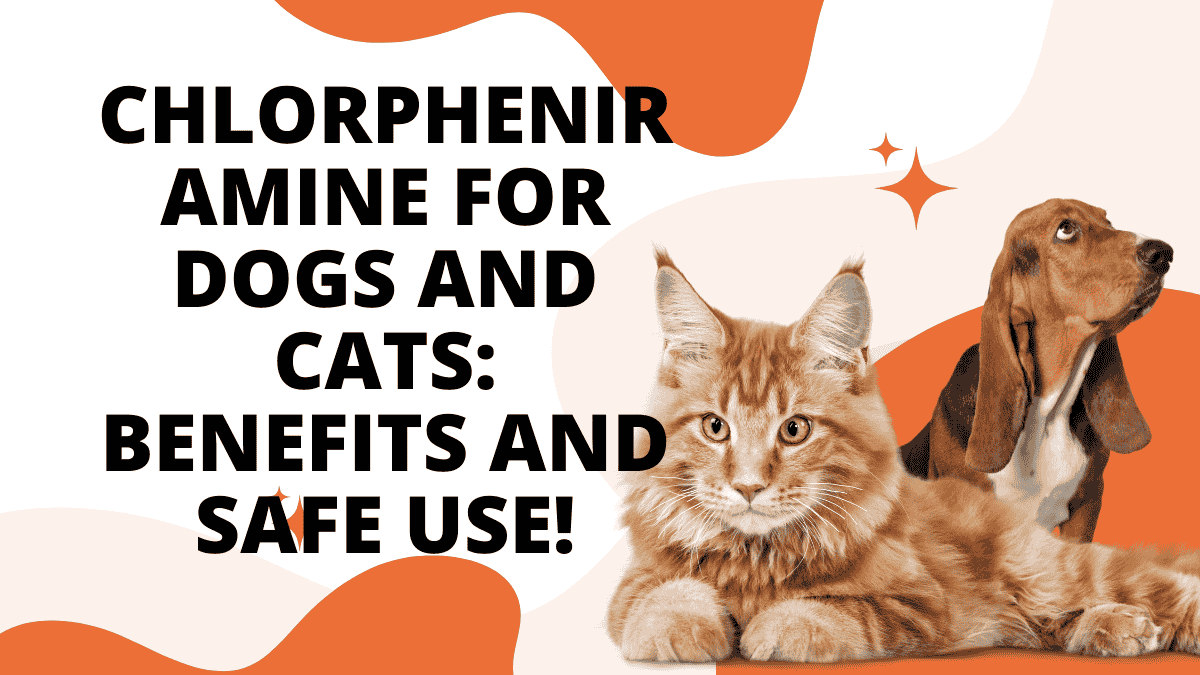 Chlorpheniramine for Dogs and Cats: Benefits and Safe Use
 Why Does My Dog Circle Before Lying Down? The Ancient Instinct
 Can Dogs Eat Bananas? The Safe Snack List
 Small Breed Dental Disease: How to Save Your Chihuahua’s Teeth
Hover to fan the frames
Your take
Was this worth your time?
0 reactions