On this page
- Table of Contents
- Divya Dutta on How OTT Is Creating Powerful Lead Roles for Women Over 40
- Divya Dutta Says OTT Has Changed the Way Women Are Written
- ‘Women Over 40 Can Finally Play Lead Characters’
- Why OTT Platforms Are Giving Older Actresses Better Opportunities
- Divya Dutta Believes OTT Has Made Characters More Human
- How OTT Has Changed Audience Expectations From Bollywood Films
- Divya Dutta’s Three-Decade Journey in Indian Cinema
- From Veer-Zaara to Bhaag Milkha Bhaag: Roles That Made Divya Dutta Memorable
- Divya Dutta Won National Award for Irada
- Gajab Raat: Divya Dutta’s Latest Thriller With Manoj Bajpayee
- Why Women Over 40 Deserve More Lead Roles in Indian Cinema
- Other Actresses Who Have Benefited From OTT’s Changing Storytelling
- Is OTT Really Changing the Future of Women in Bollywood?
- Frequently Asked Questions About Divya Dutta and Her OTT Comments
- Divya Dutta’s Message Goes Beyond OTT: Age Should Never Define an Actress’s Opportunities
In this story
- Table of Contents
- Divya Dutta on How OTT Is Creating Powerful Lead Roles for Women Over 40
- Divya Dutta Says OTT Has Changed the Way Women Are Written
- ‘Women Over 40 Can Finally Play Lead Characters’
- Why OTT Platforms Are Giving Older Actresses Better Opportunities
Table of Contents
Divya Dutta on How OTT Is Creating Powerful Lead Roles for Women Over 40
For years, women in Indian cinema faced an uncomfortable reality. As actresses grew older, the opportunities to play central characters often became fewer. While male actors continued to headline films across different age groups, women frequently found themselves moving into supporting roles, mothers’ characters or predictable family dramas.
However, the arrival of streaming platforms has started changing that narrative. Today, women in their 40s and beyond are increasingly finding opportunities to portray complicated characters, lead stories and explore emotions that mainstream cinema often overlooked.
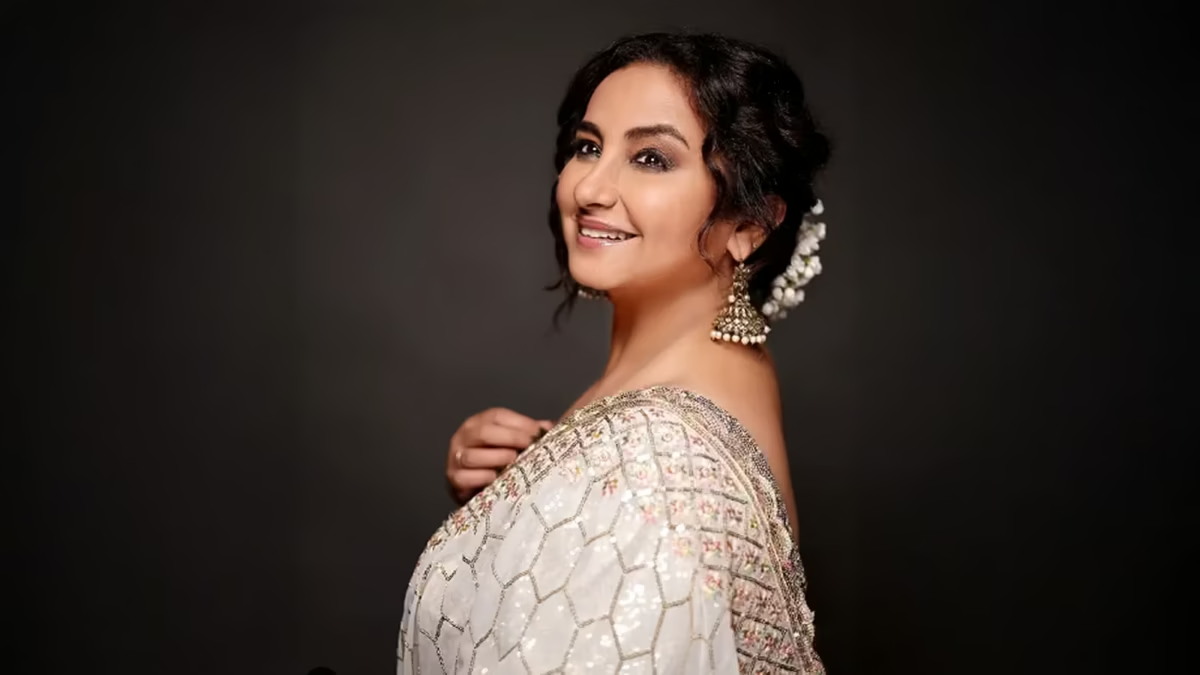
Actress Divya Dutta believes this change is among the most encouraging developments in the entertainment industry. During a recent conversation with IANS, the National Film Award-winning actress explained how OTT platforms have transformed storytelling and created opportunities for women across different age groups.
According to Divya, streaming has brought greater acceptance of ageing and allowed actresses to headline stories that might once have been considered commercially unsuitable.
Her observations come from personal experience. With a career spanning more than three decades, Divya has played several memorable characters in Hindi cinema. From Veer-Zaara and Delhi-6 to Bhaag Milkha Bhaag and Irada, she has consistently demonstrated her ability to bring depth to supporting and character-driven performances.
Now, the actress believes OTT is allowing women like her to explore an entirely different professional space.
But what exactly has changed? Why does Divya believe women over 40 are finally getting better opportunities? And how has streaming influenced the expectations of audiences watching theatrical films?
Divya Dutta Says OTT Has Changed the Way Women Are Written
Speaking about the difference between theatrical films and OTT productions, Divya highlighted the importance of storytelling.
She believes streaming platforms have encouraged filmmakers to focus on realistic narratives that audiences can emotionally connect with.
According to her, OTT has created opportunities for stories that do not necessarily depend on conventional commercial formulas.
The actress explained that viewers now have access to characters who reflect different stages of life. Whether a woman is in her 20s, 30s or above 40, she can now find substantial roles that explore her experiences.
This is an important change for an industry that traditionally placed considerable emphasis on youth when casting female leads.
Divya also pointed out that ageing is no longer necessarily treated as a limitation when developing a female character.
Instead, characters can grow older while remaining central to the story.
For actresses who spent years waiting for opportunities beyond conventional supporting roles, this development represents a meaningful shift.
‘Women Over 40 Can Finally Play Lead Characters’
One of Divya’s most interesting observations concerned the opportunities now available to actresses above 40.
She explained that OTT platforms have made it possible for women to headline shows even after crossing an age bracket that traditionally received fewer leading roles.
Divya also referred to her own experience of recently headlining a successful project featuring a woman over 40.
She suggested that such opportunities would have been difficult to imagine earlier in her career.
The change is significant because age does not necessarily reduce someone’s ability to carry a story.
In fact, women in their 40s and 50s can bring experiences, emotional maturity and perspectives that younger characters may not naturally possess.
A story about motherhood, professional ambition, relationships, personal reinvention or social responsibility can become richer when its central character has lived through different stages of life.
OTT platforms have increasingly explored these possibilities.
For audiences, this means watching women who are not simply supporting someone else’s journey. They can now become the central figures whose decisions, mistakes and ambitions drive the narrative.
Why OTT Platforms Are Giving Older Actresses Better Opportunities
The growth of streaming has changed several aspects of the entertainment business.
Traditional theatrical films often depend on opening-day collections, large-scale promotions and wide audience appeal. As a result, producers have historically preferred familiar formulas when developing expensive projects.
Streaming platforms operate with different content strategies.
They can offer films, limited series and multi-episode dramas targeting particular audiences. This allows creators to explore stories that might not necessarily fit conventional theatrical expectations.
For example, a drama about a middle-aged woman’s career struggles may not appear to have the same commercial appeal as a major action film.
However, it can become an engaging streaming series if the writing, performances and direction connect with viewers.
OTT also allows characters to develop gradually.
A woman can have professional ambitions, emotional conflicts, complicated relationships and personal weaknesses without the story reducing her identity to one particular role.
This flexibility has encouraged writers to explore women as complete individuals rather than predictable character types.
Consequently, actresses with years of professional experience are finding new opportunities to demonstrate their abilities.
Divya Dutta Believes OTT Has Made Characters More Human
Another important point in Divya’s interview was her discussion about the way characters are written.
She believes OTT storytelling has moved beyond the traditional division between good and bad characters.
According to the actress, human beings react differently to difficult situations. Someone may become angry, make mistakes or take decisions that others disagree with.
That does not automatically make the person entirely good or entirely bad.
Divya explained that streaming platforms have encouraged writers to explore these complicated aspects of human behaviour.
This approach has created more realistic characters who can experience conflicting emotions.
For female performers, this development is particularly important.
Women on screen were traditionally expected to fit familiar categories. They were either ideal daughters, devoted wives, sacrificing mothers or negative characters designed to create conflict.
Modern storytelling increasingly allows women to exist outside these narrow definitions.
A female protagonist can be ambitious but vulnerable, loving but occasionally selfish, confident yet uncertain about her future.
These contradictions make characters more believable.
They also provide actresses with opportunities to deliver performances that go beyond conventional emotional expressions.
How OTT Has Changed Audience Expectations From Bollywood Films
Divya also believes streaming has influenced what audiences expect from theatrical cinema.
Earlier, viewers often accepted familiar storytelling formulas because those were the dominant choices available to them.
However, OTT platforms have introduced audiences to a wider variety of narratives, performances and filmmaking styles.
People can now watch stories from different Indian languages and international film industries without depending entirely on theatrical releases.
This exposure has gradually changed viewing preferences.
Audiences increasingly appreciate strong writing, realistic dialogue and characters with emotional depth.
Divya observed that these expectations are now extending to big-screen films as well.
Even when a theatrical movie follows a conventional format, viewers expect the characters to have more substance.
This is an important development because OTT and theatrical cinema are no longer completely separate creative spaces.
Streaming has encouraged experimentation, while theatrical filmmakers are also responding to audiences who want more engaging narratives.
The result could be a more competitive entertainment industry where storytelling becomes an important factor in attracting viewers.
Divya Dutta’s Three-Decade Journey in Indian Cinema
Divya Dutta’s comments carry particular significance because she has experienced several phases of the Hindi film industry.
She began her acting career in the 1990s and gradually established herself as a dependable performer.
Unlike actresses who built their careers primarily around conventional leading roles, Divya often chose characters that allowed her to demonstrate different emotional and dramatic abilities.
Her performances have included friends, sisters, political personalities and women dealing with complicated circumstances.
Over the years, she has worked with several celebrated actors and filmmakers.
Some of her most memorable performances have also come from films where she played supporting characters.
However, her ability to make those characters memorable has become one of her biggest professional strengths.
Her journey demonstrates that an actor’s career does not necessarily depend on always occupying the central position in a film.
Strong performances can create lasting recognition even when the character has limited screen time.
OTT has now provided another opportunity for performers like Divya to explore leading roles.
From Veer-Zaara to Bhaag Milkha Bhaag: Roles That Made Divya Dutta Memorable
Divya Dutta has appeared in several films that remain popular among Hindi cinema audiences.
One of her most widely remembered performances came in Yash Chopra’s romantic drama Veer-Zaara.
She played Shabbo, the close friend and confidante of Veer Pratap Singh, portrayed by Shah Rukh Khan.
Although she was not the central romantic lead, her character added warmth and emotional support to the story.
The film remains one of the memorable romantic dramas of Hindi cinema.
Another important performance came in Rakeysh Omprakash Mehra’s Bhaag Milkha Bhaag.
Divya portrayed Isri Kaur, the sister of legendary athlete Milkha Singh, played by Farhan Akhtar.
Her performance brought emotional depth to the film’s portrayal of family, loss and determination.
She also appeared in Delhi-6, playing Jalebi, a character that contributed to the film’s colourful neighbourhood setting.
These roles demonstrated her versatility and ability to bring personality to different kinds of characters.
However, her career also includes performances that moved beyond familiar supporting roles.
Divya Dutta Won National Award for Irada
One of the biggest milestones in Divya’s career came with the political thriller Irada.
The film featured Naseeruddin Shah and Arshad Warsi alongside Divya.
She portrayed a complex political character, delivering a performance that received critical appreciation.
Her work in the film earned her the National Film Award for Best Supporting Actress.
The recognition established another important chapter in her career.
It also highlighted the importance of character-driven performances in Indian cinema.
Divya has repeatedly demonstrated that a supporting role can become one of the most memorable elements of a film when written and performed effectively.
Her experience also explains why she values the changing opportunities offered by OTT.
After spending years building her reputation through different supporting and character roles, she can now explore stories where women like her take centre stage.
Gajab Raat: Divya Dutta’s Latest Thriller With Manoj Bajpayee
Divya Dutta was recently seen in the suspense thriller Gajab Raat, featuring Manoj Bajpayee.
The film premiered on Netflix on October 23, 2026.
Directed by Ritesh Shah and produced by Neeraj Pandey, the project features Divya as politician Suneeta Chaudhary.
Her character adds another interesting dimension to her growing body of work.
Political dramas often require actors to portray complicated motivations, conflicting loyalties and difficult decisions.
For an actress who has consistently explored emotionally layered characters, such roles provide opportunities to demonstrate a different side of her acting abilities.
The film also reflects the kind of storytelling that Divya has been discussing.
OTT allows filmmakers to explore suspense, politics and character relationships within a format that does not necessarily follow traditional theatrical structures.
Her involvement in Gajab Raat therefore makes her comments about streaming particularly relevant.
Why Women Over 40 Deserve More Lead Roles in Indian Cinema
Divya’s observations also raise a larger question about representation in the entertainment industry.
Why should a woman’s opportunities as an actress become limited simply because she crosses 40?
Ageing is a natural part of life, and women experience different ambitions, relationships and challenges at every stage.
A 45-year-old woman can be a business leader, a politician, a single parent, a professional rebuilding her career or someone discovering a completely new identity.
These experiences provide countless possibilities for compelling stories.
However, cinema has not always explored them with the same enthusiasm reserved for younger protagonists.
OTT platforms have started addressing this imbalance by giving writers more flexibility.
The industry still has considerable progress to make, but the increasing visibility of older female protagonists represents a positive development.
More importantly, actresses should not have to choose between playing young characters and disappearing from leading roles.
They should have opportunities to portray characters who reflect their actual age and life experiences.
Other Actresses Who Have Benefited From OTT’s Changing Storytelling
Divya is not the only actress whose career demonstrates the growing importance of streaming platforms.
Several established performers have found opportunities to explore complex characters through digital entertainment.
Shefali Shah: Her performances in Delhi Crime and Human have demonstrated how women can lead intense dramas built around difficult social and professional situations.
Neena Gupta: Projects such as Panchayat and Masaba Masaba have helped audiences appreciate her ability to portray women with individuality, humour and emotional complexity.
Raveena Tandon: Her performance in Aranyak offered a compelling example of an established actress leading a streaming crime thriller.
Sushmita Sen: Through Aarya, she explored the transformation of a woman who becomes involved in the criminal world while trying to protect her family.
Sakshi Tanwar: Her performances in projects such as Mai demonstrated the dramatic possibilities of stories centred on older women and their complicated family relationships.
These performances illustrate how digital storytelling has expanded the range of characters available to experienced actresses.
However, the change is not limited to women above 40. It also benefits younger performers who want to explore unconventional roles rather than remain restricted to predictable romantic or commercial characters.
Is OTT Really Changing the Future of Women in Bollywood?
The growth of OTT has certainly created more opportunities, but the transformation is still developing.
Streaming platforms have introduced diverse stories and encouraged writers to experiment with different characters.
Nevertheless, the industry continues to face questions about equal opportunities, remuneration, casting decisions and the availability of substantial roles.
Not every actress over 40 automatically receives leading opportunities.
Commercial considerations, audience preferences and production budgets continue to influence casting.
Still, the difference is becoming increasingly visible.
Earlier, an actress might have struggled to find a central character after reaching a certain age. Today, streaming platforms offer another route to meaningful performances.
This is especially important for established performers who have spent decades developing their craft.
The next step is ensuring that these opportunities become a regular part of Indian entertainment rather than occasional exceptions.
If writers continue creating compelling stories around women of different ages, the industry could move towards a more inclusive understanding of female stardom.
Frequently Asked Questions About Divya Dutta and Her OTT Comments
1. What has Divya Dutta said about OTT platforms?
Divya believes OTT platforms have changed storytelling by creating opportunities for realistic, layered characters. She particularly highlighted the availability of powerful lead roles for women above 40.
2. Why does Divya Dutta believe OTT benefits older actresses?
She believes streaming platforms have encouraged filmmakers to explore stories about women across different age groups. This has allowed experienced actresses to headline projects rather than remain restricted to supporting roles.
3. What is Divya Dutta’s latest OTT release?
Divya Dutta recently appeared in Gajab Raat, a suspense thriller featuring Manoj Bajpayee. The film premiered on Netflix on October 23, 2026.
4. Which character does Divya Dutta play in Gajab Raat?
She plays politician Suneeta Chaudhary in the thriller directed by Ritesh Shah and produced by Neeraj Pandey.
5. Has Divya Dutta won a National Film Award?
Yes. She won the National Film Award for Best Supporting Actress for her performance in Irada.
6. Which films made Divya Dutta popular?
Her memorable films include Veer-Zaara, Delhi-6, Bhaag Milkha Bhaag and Irada, among several others.
7. How long has Divya Dutta worked in the film industry?
She has built a career spanning more than three decades in Indian entertainment.
8. What does Divya Dutta mean by layered characters?
She refers to characters who reflect realistic human behaviour. Such individuals can make mistakes, experience conflicting emotions and respond differently to difficult situations.
9. Has OTT influenced theatrical films according to Divya Dutta?
Yes. She believes streaming has raised audience expectations, encouraging viewers to demand stronger writing and more realistic characters even in theatrical films.
Divya Dutta’s Message Goes Beyond OTT: Age Should Never Define an Actress’s Opportunities
Divya Dutta’s comments highlight a change that Indian entertainment audiences have been waiting to see.
For decades, actresses often faced fewer opportunities as they grew older, even when they had the experience and talent to carry demanding performances.
OTT has started challenging that pattern by giving writers more freedom and actresses more interesting characters.
Divya’s own journey makes her perspective particularly meaningful. She has spent more than three decades building a career through performances that audiences remember.
Now, streaming platforms are creating opportunities for her generation to explore central characters with greater emotional depth.
Ultimately, the industry’s progress should not be measured only by the number of streaming platforms or original releases. It should also be measured by the diversity of stories audiences get to watch.
And if women over 40 continue receiving powerful, meaningful lead roles, Indian cinema could become a much richer storytelling space.
In frames · the Bollywood desk
 Divya Dutta on How OTT Is Changing Bollywood: ‘Women Over 40 Are Finally Getting Powerful Lead Roles’
 Katrina Kaif’s Cover Story: “Bounce Back? From Where?” Actor Opens Up About Motherhood, Vicky Kaushal and Body-Shaming
 Karisma Kapoor Opens Up About Her Love for Diwali Traditions and Festive Dressing: “It’s All About Family, Warmth and Joy”
 Kanika Kapoor Announces Separation From Gautam Hathiramani After Four Years: “This Is My Second Time for a Divorce”
Hover to fan the frames
Your take
Was this worth your time?
0 reactions