
On this page
- Table of Contents
- Comprehensive Guide to Studying AI
- Section 1: Is Studying Data Science Abroad Worth It for Indian Students? Career Scope and Salary Guide
- Section 2: Best Countries to Study AI and Machine Learning Abroad for Indian Students in Future
- Section 3: Country Comparison for Indian AI Students: USA vs Canada vs Germany
- Section 4: Key Specializations in AI and Data Science for Future Growth
- Section 5: Step-by-Step Strategic Roadmap for Indian Students Preparing for 2027 Intakes
- Section 6: Essential Tips for Thriving as an Indian Tech Student Abroad
In this story
- Table of Contents
- Comprehensive Guide to Studying AI
- Section 1: Is Studying Data Science Abroad Worth It for Indian Students? Career Scope and Salary Guide
- Section 2: Best Countries to Study AI and Machine Learning Abroad for Indian Students in Future
- Section 3: Country Comparison for Indian AI Students: USA vs Canada vs Germany
Table of Contents
Comprehensive Guide to Studying AI
Section 1: Is Studying Data Science Abroad Worth It for Indian Students? Career Scope and Salary Guide
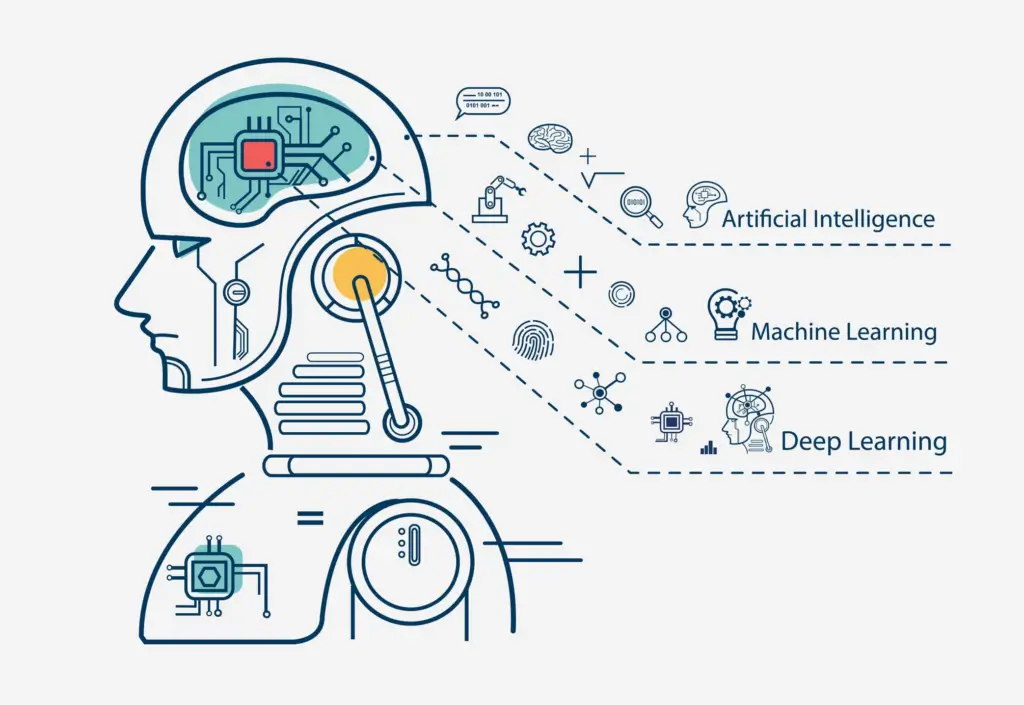
Indian students heavily invest in international education to build strong tech careers. Therefore, evaluating the total return on investment becomes extremely critical. A degree in data science from an abroad university opens global avenues because international markets continuously seek specialized technical talent.
Data science is no longer just a trend in the global job market. Industry demands have expanded rapidly into specialized areas because modern businesses rely on massive data streams. Organizations need professionals who can translate complex data into actionable financial and operational strategies. Consequently, holding an international degree offers a distinct competitive edge in top global markets.
Financial Investment and Expense Analysis
Studying data science abroad requires substantial financial commitment from Indian families. For instance, tuition fees range between twenty thousand and sixty thousand US dollars annually depending on the university. Additionally, living expenses add another ten thousand to twenty thousand dollars per year.
However, students can manage these high costs through several strategic approaches. For example, graduate teaching assistantships and research grants significantly offset annual educational expenses. Moreover, part-time campus work guidelines allow students to handle routine personal costs. Therefore, carefully planning your finances ensures smooth academic survival abroad.
Comprehensive Global Salary Guide
Salaries for data science graduates vary greatly across different international regions. However, tech hubs consistently offer lucrative starting compensation packages to top talent.
In the United States, entry-level data scientists earn between eighty-five thousand and one hundred fifteen thousand dollars per year. Mid-career professionals quickly cross one hundred fifty thousand dollars annually because performance bonuses increase compensation packages. Furthermore, tech hubs like San Francisco and Seattle offer peak starting salaries.
In Germany and the broader European Union, initial salaries start around fifty-five thousand to seventy-five thousand euros per year. However, tax structures are higher, so your net take-home salary is slightly lower. Nevertheless, excellent public benefits and low educational debt balance overall financial outcomes for students.
In Canada, average starting salaries range from seventy thousand to ninety thousand Canadian dollars annually. Although gross pay is lower than in the US, easier permanent residency pathways compensate for the lower initial salary. Therefore, financial evaluation must include long-term immigration stability alongside raw base salaries.
Long-Term Career Scope and Advancement
The long-term career trajectory for data science graduates remains exceptionally strong worldwide. Because every modern industry requires algorithmic intelligence, job options extend far beyond traditional software companies. Consequently, graduates find immediate roles in healthcare, investment banking, retail logistics, and green energy management.
Indian students often transition smoothly into senior roles like Lead Data Architect or Analytics Director. Furthermore, learning regional tools and specialized algorithms accelerates professional promotions. Thus, studying data science abroad remains highly worth the investment for dedicated Indian tech aspirants.
Section 2: Best Countries to Study AI and Machine Learning Abroad for Indian Students in Future
Selecting the right nation to study Artificial Intelligence and Machine Learning requires evaluating educational quality, industry connections, and work visas. Therefore, Indian students must compare global destinations carefully before submitting applications.
United States of America
The United States remains the primary destination for artificial intelligence research and innovation. American universities receive massive funding from both government agencies and commercial tech giants. Consequently, students work directly on cutting-edge machine learning tools during their Master’s programs.
Furthermore, the US offers the STEM Optional Practical Training extension for international students. This policy allows STEM graduates to work in America for up to three years post-graduation. Because this extended window provides ample job search time, it remains a favorite destination for Indian students.
Germany
Germany has quickly established itself as a premier European destination for artificial intelligence education. Most public universities charge zero or very minimal tuition fees for international master’s students. Therefore, Indian students drastically cut their educational debt by choosing German institutions.
Additionally, Germany boasts strong industrial manufacturing ecosystems that heavily integrate artificial intelligence. Automobile leaders and engineering firms regularly hire AI experts for computer vision and robotics projects. Consequently, practical industrial training is built directly into university curricula.
Canada
Canada provides a highly welcoming environment for international students seeking careers in advanced technology. Canadian universities in Toronto, Montreal, and Vancouver host world-renowned artificial intelligence research institutes. Because these institutes collaborate with global corporations, student research frequently leads to startup ventures.
Moreover, Canada offers straightforward post-graduation work permits valid for up to three years. The country uses clear points-based immigration systems that reward local education and skilled work experience. Thus, Indian students favoring smooth residency pathways find Canada highly attractive.
United Kingdom
The United Kingdom hosts prestigious universities with deep historical roots in computational research. British master’s programs generally last only one year, so students enter the workforce faster. Consequently, this shorter duration reduces total living expenses and speeds up early career returns.
Furthermore, the UK Graduate Route visa allows international students to work for two years after graduation. Tech hubs in London, Manchester, and Edinburgh offer expanding job opportunities in FinTech and machine learning. Therefore, the UK remains a top contender for intensive academic training.
Australia
Australia is expanding its technological investments rapidly to build digital economy infrastructure. Australian universities rank high globally for computer science, and they offer modern research facilities. Furthermore, post-study work visas provide several years of clear employment authorization for tech graduates.
The country also offers high minimum wage protections and an exceptional standard of living. Because regional campuses offer extra post-study work incentives, many Indian students explore Australian tech programs. Thus, Australia represents a strong balance of lifestyle, education, and career growth.
Section 3: Country Comparison for Indian AI Students: USA vs Canada vs Germany
Choosing between the United States, Canada, and Germany requires evaluating direct trade-offs across academic, financial, and visa parameters. Therefore, a focused side-by-side comparative analysis helps students make educated choices.
Educational Infrastructure and Research Quality
The USA leads in overall research funding, specialized electives, and commercial technology partnerships. American professors frequently run tech startups alongside teaching, so students gain direct entrepreneurial insights. However, course workloads are notoriously intense, so students must manage time strictly.
Germany excels in applying artificial intelligence to heavy industry, modern robotics, and smart manufacturing. German educational style emphasizes individual independence and deep theoretical foundations. However, students must learn the German language to access the broader non-English industrial job market.
Canada balances theoretical research with strong collaborative industry incubators. Canadian institutions focus heavily on deep learning, natural language processing, and ethical AI applications. Because academic environments are highly collaborative, international students integrate easily into campus life.
Financial Costs and Tuition Expenses
The USA is the most expensive option among the three major study destinations. Tuition fees easily range between thirty thousand and sixty-five thousand US dollars per year. Additionally, high health insurance and living costs in major American cities demand heavy financial planning.
Canada offers moderate tuition expenses, usually ranging between twenty-five thousand and forty-five thousand Canadian dollars annually. Living costs in major cities like Toronto have risen recently, but they remain manageable with proper budgeting. Therefore, Canada offers a middle-ground financial option for middle-class Indian families.
Germany is by far the most cost-effective destination for budget-conscious Indian students. Public university tuition is essentially free, so students only pay small administrative fees each semester. Therefore, students only need to cover basic living expenses via mandatory blocked bank accounts.
Work Authorization and Post-Study Visas
The USA allows three years of STEM OPT work authorization for qualified international graduates. However, securing long-term employment requires winning the competitive H-1B visa lottery. Because this lottery is uncertain, long-term immigration planning in the US involves inherent risk.
Canada provides up to three years of Post-Graduation Work Permit status without lottery restrictions. Afterwards, graduates apply for Permanent Residency through the Express Entry points system. Because Canadian work experience adds significant points, transition to permanent residency is relatively smooth.
Germany grants an eighteen-month job seeker visa to international graduates upon finishing their degrees. Once you secure a job matching your qualifications, you convert your visa into an EU Blue Card. Furthermore, fast-track permanent residency is available after two years of skilled work and basic language proficiency.
Cultural Adaptation and Student Life
Indian students in the USA find massive, well-established Indian diaspora communities on almost every major campus. Indian food, cultural associations, and student support networks are widely available. Therefore, social adaptation in American universities happens very naturally for most Indian students.
Canada is exceptionally multicultural and welcoming to international students from diverse backgrounds. Cities like Toronto and Vancouver feature large South Asian populations, which eases homesickness. Moreover, public safety and inclusive social values make Canadian student life comfortable.
Germany requires significant cultural adaptation because daily life operates primarily in the German language. While master’s courses are taught in English, daily errands and local networking demand conversational German skills. However, European travel opportunities and high public safety offer wonderful life experiences.
Section 4: Key Specializations in AI and Data Science for Future Growth
Artificial intelligence and data science contain specialized sub-fields that offer distinct career pathways. Therefore, selecting a focused specialization during your abroad degree maximizes your employment value.
Machine Learning Operations and Infrastructure
Building machine learning models is only the first step in modern enterprise tech operations. Companies struggle to deploy, monitor, and update these complex models efficiently in live production environments. Consequently, Machine Learning Operations specialists bridge the traditional software engineering gap with data science.
This specialization focuses heavily on cloud architecture, automated data pipelines, and scalable computing infrastructure. Graduates master tools like Docker, Kubernetes, and specialized cloud machine learning frameworks. Because every major enterprise needs reliable model deployment, salary offers for MLOps experts are exceptionally high.
Natural Language Processing and Large Language Models
Natural Language Processing focuses on teaching computational systems to process and generate natural human speech and writing. Recent breakthroughs in generative AI have driven massive corporate demand for specialized NLP engineers. Consequently, experts in text processing, translation algorithms, and contextual AI command premium industry compensation.
Students specializing in NLP study transformer architectures, neural networks, and semantic analytical frameworks. Applications range from automated customer intelligence to advanced medical record transcription systems. Therefore, this field offers continuous research opportunities and rapid commercial industry entry.
Computer Vision and Autonomous Robotics
Computer Vision enables software to interpret, analyze, and react to visual inputs from the physical world. This field powers self-driving vehicles, medical image diagnostics, automated agricultural monitoring, and security systems. Consequently, students with strong mathematical skills thrive in computer vision programs.
Coursework combines deep learning algorithms, spatial geometry, dynamic optics, and real-time computing systems. Graduating engineers work with leading automotive pioneers, drone manufacturers, and medical tech builders. Thus, computer vision remains a robust specialization for long-term global employment.
Data Engineering and Big Data Systems
Data engineers build the underlying foundational pipelines that allow data scientists to analyze complex information. Without clean, structured data pipelines, even advanced machine learning models fail completely. Therefore, top global employers hire data engineers just as aggressively as pure AI researchers.
Students focus on database architecture, distributed storage, processing networks, and real-time streaming engines. Specializing in data engineering prepares you for scalable technical roles across every major industry sector. Consequently, job stability in this field remains among the highest in tech.
Section 5: Step-by-Step Strategic Roadmap for Indian Students Preparing for 2027 Intakes
Securing admission into elite international tech programs requires deliberate, structured long-term preparation. Therefore, Indian students should follow a clear timeline to maximize application success and scholarship opportunities.
Phase 1: Profile Building (24 to 18 Months Before Intake)
Start by building strong academic foundations in mathematics, linear algebra, probability, and core programming languages. Because top admissions committees evaluate quantitative rigor, maintaining a high undergraduate GPA is vital. Furthermore, complete practical projects using popular data science libraries to prove applied skills.
Additionally, seek out technical internships at reputable tech companies or research labs during college semesters. Contributing to open-source software projects also demonstrates strong practical initiative to international university committees. Therefore, early profile building sets a solid baseline for competitive university applications.
Phase 2: Standardized Testing and University Selection (18 to 12 Months Before Intake)
Prepare systematically for required standardized examinations like the GRE and English proficiency tests like IELTS or TOEFL. Although some universities waive GRE requirements, achieving high scores still strengthens scholarship applications. Consequently, dedicate at least three months to disciplined exam preparation and practice tests.
Simultaneously, research and finalize your target list of eight to twelve international universities. Categorize your selection into ambitious dream choices, realistic target options, and safe backup institutions. Ensure each selected university aligns with your financial budget, career goals, and preferred post-study visa options.
Phase 3: Application Execution (12 to 6 Months Before Intake)
Draft tailored Statements of Purpose that clearly explain your academic journey, technical project experiences, and long-term career goals. Avoid generic statements and instead highlight specific university labs, professors, and course modules that match your interest. Therefore, compelling essays significantly elevate your admission odds.
Concurrently, request detailed Letters of Recommendation from academic professors and workplace managers who know your technical work well. Ensure all application materials, academic transcripts, and financial documents are submitted well before early university deadlines. Early submissions often receive priority consideration for merit-based scholarships.
Phase 4: Visa Processing and Financial Arrangements (6 to 0 Months Before Intake)
Once you receive official admission offers, evaluate tuition packages and financial aid offers carefully before accepting. Pay mandatory tuition seat deposits to confirm your spot at your chosen international university. Next, gather required financial proofs, including bank statements, education loan approvals, and official sponsorship letters.
Schedule your student visa interview at the appropriate embassy or consulate well in advance. Practice answering visa interview questions clearly, focusing on your educational intentions and financial backing. Finally, secure local student housing, book travel arrangements, and connect with university alumni networks before flying out.
Section 6: Essential Tips for Thriving as an Indian Tech Student Abroad
Admission is only the beginning of your international study journey. Thriving in a competitive global environment demands proactive networking, cultural adaptation, and continuous skill refinement.
Building Professional Networks Early
Do not wait until your final semester to start searching for global employment opportunities. Attend campus career fairs, industry hackathons, and local tech meetups right from your very first academic term. Furthermore, use professional platforms like LinkedIn to connect politely with university alumni working in your target industry.
Engage actively during professor office hours and participate in student tech organizations on campus. Building genuine relationships with peers, researchers, and industry professionals frequently leads to unexpected internship referrals. Therefore, consistent networking remains your most powerful tool for securing high-paying job offers abroad.
Balancing Academic and Practical Skill Growth
While university courses provide deep theoretical foundations, global tech companies test practical execution during job interviews. Therefore, reserve time weekly to practice algorithmic coding, data structures, and system design concepts independently. Building personal portfolio projects on public platforms proves your coding ability directly to recruiters.
Additionally, take advantage of university career centers for resume reviews, mock interviews, and soft skill workshops. Learning to communicate complex technical ideas clearly in English is essential for landing top corporate roles. Consequently, balancing academic study with practical interview prep ensures post-graduation career success.
Your take
Was this worth your time?
0 reactions