On this page
- 1. The Evolutionary Blueprint: Predators in Disguise
- 2. Anatomy of Feline Sleep: Dozing vs. Deep Sleep
- 3. How Sleep Requirements Change Across Life Stages
- 4. External Factors That Influence Feline Napping
- 5. Decoding Cat Sleeping Positions
- 6. When Should You Be Concerned? (Red Flags)
- How to Support Healthy Feline Sleep Habits
- The 4-Step Bedtime Routine
- Daily Schedule Breakdown
- Troubleshooting Nighttime Relapses
In this story
- 1. The Evolutionary Blueprint: Predators in Disguise
- 2. Anatomy of Feline Sleep: Dozing vs. Deep Sleep
- 3. How Sleep Requirements Change Across Life Stages
- 4. External Factors That Influence Feline Napping
- 5. Decoding Cat Sleeping Positions
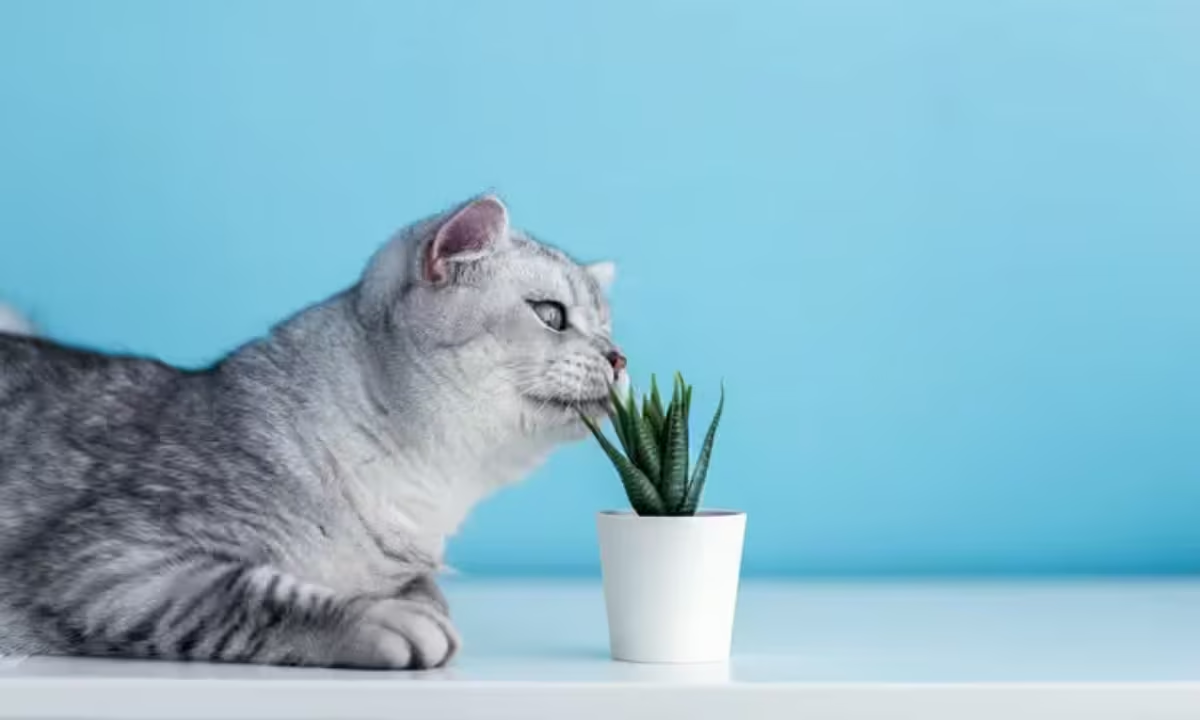
If you share your home with a cat, you’ve likely watched them doze peacefully in a patch of afternoon sunlight and wondered how any creature could sleep so much. On average, adult cats spend 12 to 16 hours a day asleep, while kittens and elderly felines can sleep up to 20 hours in a 24-hour window.
To human eyes, this looks like pure laziness. In reality, it is a finely tuned evolutionary survival mechanism. From predator biology and energy conservation to sleep architecture and health monitoring, here is a comprehensive dive into why cats sleep so much, how their sleep cycles work, and when sleeping habits signal a visit to the veterinarian.
1. The Evolutionary Blueprint: Predators in Disguise
To understand feline sleep, you must look at their wild ancestor, the African wildcat (Felis lybica). Despite thousands of years of living alongside humans, domestic cats retain the physiological machinery of specialized obligate carnivores.
The Energy Cost of Predation
Unlike herbivores (like cows or horses) that spend hours grazing on low-calorie, abundant plant material and require very little deep sleep, cats are hyper-carnivores. In the wild, hunting requires explosive bursts of energy:
- Stalking and pouncing: High focus, isometric muscle strain, and sudden anaerobic sprints.
- Adrenaline surges: A cat’s body releases high amounts of adrenaline and cortisol during a hunt.
- Low hunting efficiency: In the wild, a cat’s success rate per hunt is often around 10% to 30%. They must undertake multiple hunts to secure a single meal.
Sleeping allows a cat to conserve metabolic energy between these taxing hunting sessions. Even though house cats hunt plastic mice or feathers rather than real prey, their metabolic clock remains hardwired to recharge between bursts of high activity.
Crepuscular Rhythms: Why They Awake at Dawn and Dusk
Many people assume cats are nocturnal, but they are actually crepuscular. Their peak activity levels occur during twilight hours—dawn and dusk.
- Dawn: Prey animals like birds and small rodents begin their morning foraging.
- Dusk: Nocturnal mammals emerge while light levels drop, giving cats an evolutionary advantage due to their superior night vision (tapetum lucidum).
Because they spend dawn and dusk active, the middle of the day and the dead of night are naturally designated for resting.
2. Anatomy of Feline Sleep: Dozing vs. Deep Sleep
Not all cat sleep is created equal. When a cat is “sleeping,” they are usually in one of two distinct biological sleep phases.
Phase 1: Light Dozing (The “Catnap”)
Approximately 70% to 75% of a cat’s sleep time is spent in light sleep.
- Physiology: Muscles remain slightly tense, ears twitch toward sound, and eyes may remain slitted or closed lightly.
- Alertness: A light-sleeping cat can spring into action in a fraction of a second if they hear a sudden noise or sense danger.
- Purpose: Allows the body to rest while maintaining environmental awareness.
Phase 2: Deep Sleep & REM (Rapid Eye Movement)
The remaining 25% of a cat’s sleep is deep, restorative sleep, which often transitions into REM sleep.
- Physiology: Muscle tone disappears (atonia), breathing slows, and brain waves match awake states in specific processing regions.
- Dreaming: You will often see twitching whiskers, padded paws moving as if running, and soft squeaks or mews.
- Function: Deep sleep triggers tissue repair, muscle growth, immune system maintenance, and memory consolidation.
3. How Sleep Requirements Change Across Life Stages
A cat’s daily sleep quota shifts dramatically over their lifespan.
| Life Stage | Average Sleep per Day | Key Biological Driver |
| Kittenhood (0–6 months) | 18–20 hours | Human/Growth hormone release occurs primarily during sleep; brain development requires massive energy reserve. |
| Adulthood (1–7 years) | 12–15 hours | Energy conservation, maintaining muscle readiness, crepuscular hunting cycles. |
| Senior / Geriatric (8+ years) | 16–20 hours | Slower metabolism, joint stiffness (arthritis), reduced cognitive stamina. |
4. External Factors That Influence Feline Napping
Beyond biology, environmental and psychological factors directly influence how long your cat snoozes each day.
Weather and Temperature
Cats are desert-descended animals with a higher thermal neutral zone than humans (around 85°F to 100°F or 29°C to 38°C). On cold or rainy days, cats sleep more to conserve core body heat. You’ll often notice them curling into a tight “donut” shape to trap warmth.
Boredom and Environmental Enrichment
An understimulated indoor cat may sleep simply because there is nothing else to do. If a cat lacks play outlets, puzzle feeders, or vertical territory (like cat trees or window perches), excessive sleeping can be an indicator of low engagement or mild depression.
Diet and Digestion
Digesting heavy protein and fat requires significant metabolic effort. After a large meal, blood flow shifts toward the gastrointestinal tract, inducing a natural postprandial (post-meal) sleep state—mimicking wild felines resting after a kill.
5. Decoding Cat Sleeping Positions
Where and how your cat sleeps reveals volumes about their physical comfort, temperature regulation, and trust in their environment.
- The Crescent / Donut: Tightly curled with the tail wrapped around the body and nose tucked in. Purpose: Maximize heat retention and protect vulnerable vital organs.
- Belly Up: Lying flat on the back with legs splayed. Purpose: Indicates complete trust in the household and a desire to cool down on warmer surfaces.
- The Loaf: Sitting upright with paws tucked underneath the chest. Purpose: Conserves heat while remaining ready to spring up quickly if needed.
- Sideways (The Monorail): Lying flat on one side with legs extended. Purpose: Indicates deep relaxation and safety, usually entering REM sleep.
- Paw Over the Face: Blocking out light or draft. Purpose: Signals a desire for uninterrupted sleep.
6. When Should You Be Concerned? (Red Flags)
While sleeping 16 hours a day is normal, sudden changes in sleep patterns can be the first sign of an underlying medical issue. Because cats instinctively mask illness, tracking changes in sleep duration and quality is crucial.
Excessive Lethargy (Sleeping Too Much)
If your cat suddenly shifts from sleeping 13 hours to 18+ hours without an obvious age transition, consult a veterinarian to check for:
- Feline Arthritis / Joint Pain: Reluctance to move or jump leads to increased lying down.
- Chronic Kidney Disease (CKD): Toxin accumulation causes fatigue and anemia.
- Diabetes Mellitus: Inability to process glucose leads to severe energy deficits.
- Infections or Fever: The body diverts all resources to the immune response.
Restlessness and Inability to Sleep (Sleeping Too Little)
If your cat is hyperactive, pacing, or vocalizing through the night instead of resting, potential triggers include:
- Hyperthyroidism: An overactive thyroid gland spikes metabolic rate, causing restlessness, weight loss, and constant hunger (common in senior cats).
- Cognitive Dysfunction Syndrome (CDS): Feline dementia disrupts sleep-wake cycles, leading to nighttime wandering and crying.
- High Stress or Anxiety: Changes in the household (new pets, moving, schedule shifts) keep the cat’s nervous system in hyper-vigilant state.
How to Support Healthy Feline Sleep Habits
To ensure your cat gets high-quality, restorative sleep while remaining active during their waking hours, implement these simple care strategies:
- Establish a Play-Feed-Sleep Routine: Schedule an intense interactive play session (using a wand toy) right before dinner. This satisfies their natural hunting sequence (stalk, chase, catch, eat) and prepares them for a deep, restful sleep.
- Provide Varied Sleep Surfaces: Offer elevated perches, warm cozy beds in quiet corners, and sun-lit spots.
- Keep Day/Night Cues Clear: Ensure your cat gets exposed to natural sunlight during the day to support a healthy circadian rhythm.
- Monitor for Behavioral Shifts: Keep track of changes in litter box habits, appetite, and grooming along with sleep pattern adjustments.
Create a daily routine and play schedule to help stop my cat from waking me up at night.
The 4-Step Bedtime Routine
Follow this exact sequence every evening. Order is critical: Hunt $\rightarrow$ Catch $\rightarrow$ Eat $\rightarrow$ Groom $\rightarrow$ Sleep. Skipping steps will leave your cat restless.
1.10:15 PM — High-Energy Play (The Hunt):Must happen 30–45 minutes before human bedtime.
Engage your cat in 15–20 minutes of intense play using a wand toy (like a feather wand or mouse toy).
- Mimic prey movement: Move the toy away from the cat, hiding behind furniture or under rugs.
- Build intensity until your cat is sprinting, jumping, and panting slightly.
2.10:35 PM — Final Catch & Wind Down:Allows the cat’s heart rate to settle.
Slow down the pace of the toy over 3–5 minutes. Let your cat capture the toy, bite it, and kick it with their hind legs. This provides psychological closure to the “hunt.”
3.10:45 PM — Provide the Largest Meal of the Day:Triggers the natural post-meal coma.
Serve a fresh meal right after play. Digesting heavy protein and fat shifts blood flow away from the brain to the digestive tract, inducing a natural postprandial sleep state.
- Pro-tip: Use a puzzle feeder or maze bowl to extend eating time and mentally exhaust them further.
4.11:00 PM — Lights Out & Zero Engagement:The critical extinction protocol.
When you go to bed, set strict boundaries:
- Close your bedroom door, or set up a white noise machine near the door.
- Do NOT get out of bed, speak, look at, or feed your cat if they cry at night. Any response—even scolding— acts as positive reinforcement for nighttime vocalization.
Daily Schedule Breakdown
To ensure your cat isn’t sleeping all day while you are away, keep their daylight hours structured with passive and active stimulation.
| Time Window | Activity Phase | Action Required |
| 7:00 AM – 7:30 AM | Morning Reset | Wake up, offer morning meal. Do not feed immediately upon standing up—wait 15–20 minutes so they don’t associate your waking up with immediate food. |
| 8:30 AM – 5:00 PM | Passive Daytime Enrichment | Open blinds to bird feeders (“Cat TV”), leave out treat-dispensing puzzle toys, and provide vertical window perches to prevent deep day-long boredom naps. |
| 6:30 PM – 7:00 PM | Evening Reset | Short 10-minute play session upon returning home, followed by a light evening snack or partial dinner. |
| 10:15 PM – 11:00 PM | Night Routine | Complete the 4-step Hunt-Eat-Sleep protocol detailed above. |
Troubleshooting Nighttime Relapses
- Automatic Feeders for Early Morning Cryers: If your cat wakes you at 5:00 AM for breakfast, program an automatic feeder to dispense a small snack at 4:30 AM. They will redirect their focus to the machine rather than your face.
- The “Extinction Burst”: When you start ignoring nighttime behavior, it will temporarily get worse for 3–7 days before stopping. This is normal. If you cave even once on night 4, you reset the timer.
- Rule Out Medical Issues: If a senior cat suddenly starts crying at night, consult a vet to screen for hyperthyroidism, high blood pressure, or cognitive dysfunction syndrome.
Best puzzle feeders and toys for high-energy indoor cats to keep them busy?
High-energy indoor cats need a combination of mental problem-solving (to drain cognitive energy) and active chasing/pouncing (to tire out physical energy).
Combining structured puzzle feeders with interactive motion toys creates the ideal enrichment setup to keep energetic cats busy throughout the day.
1. Top Puzzle Feeders for Problem-Solving

Cat Amazing mega Cat Treat Puzzle Box Interactive Food Maze Cat Puzzle Feeder Treat Box for Indoor Cats Enrichment Food Toy Best Cat Toy for Cats!
The Cat Amazing Mega Cat Treat Puzzle Box features three levels and 27 sections with variable hole shapes, forcing high-energy cats to use both paws and problem-solving skills to retrieve hidden treats or dry food.
Nina Ottosson Cat Puzzle Feeder | Interactive Cat Toy – Level 3 Advanced
₹6,452.00
Designed for smart, persistent cats, the Nina Ottosson Advanced Cat Puzzle Feeder relies on sliding pegs and raindrop covers to slow down fast eaters while building confidence through multi-step puzzle solving.
Amazon Basics Interactive Pet Puzzle Toy Treat Dispensing Slow Feeder
₹299.00
A simple and sturdy option, the Amazon Basics Interactive Pet Puzzle Toy uses sliding treat compartments on a non-slip base, making it a great entry-level puzzle for daily kibble feeding.
ALL FOR PAWS Interactive Cat Feeder Puzzle Interactive Intelligence Toy for Cats Interactive Toy
₹4,988.00
The ALL FOR PAWS Interactive Cat Feeder Puzzle offers multiple challenge modules in a single base, keeping inquisitive cats engaged for longer stretches during solo feeding sessions.
2. Interactive & Motion Toys for High-Energy Play
Potaroma 3 in 1 Automatic Interactive Butterfly Cat Toy
₹6,393.00
Combining a fluttering butterfly, pop-out feather teaser, and track balls, the Potaroma 3-in-1 Automatic Interactive Butterfly Cat Toy engages multiple senses simultaneously and features touch-activated auto-standby.
Catit Senses 2.0 Wave Circuit Interactive Cat Toy 8-Piece Closed-Track Ball Toy for All Breed Sizes
₹1,199.00
The Catit Senses 2.0 Wave Circuit uses an elevated closed-track system that lets cats chase a fast-moving ball at high speeds without losing it under furniture.
Migipaws Rechargeable Interactive 360 Degree Rolling & Spin Waggle Tail with Mouse Sound And Catnip 1.0 Migimouse Plush Cat Toy
₹2,370.00
Equipped with random 360-degree rotation, erratic stop-and-go movements, and mouse squeaks, the Migipaws Rechargeable 360 Interactive Mouse triggers a cat’s chase instinct even when you aren’t home.
Potaroma Hide and Seek Interactive Cat Toys | Moving Concealed Wand Feather, Automatic Chargeable Indoor Kitten Exercise Kicker, Mouse Squeaky, Floral
₹5,143.00
The Potaroma Hide and Seek Interactive Feather Toy simulates prey under cover with an unpredictable concealed feather wand, making it perfect for cats who love pouncing and hunting games.
Summary Recommendation
- For maximum mental fatigue: Start with the Cat Amazing Mega Cat Treat Puzzle Box for meals and daily treat foraging.
- For independent physical play: Combine the Catit Senses 2.0 Wave Circuit with an automated teaser like the Potaroma 3-in-1 Toy to channel excess energy into safe solo play.
In frames · the Cat desk
 The Complete Science of Feline Sleep: Why Cats Sleep 12 to 16 Hours a Day
 Why Won’t My Cat Use the Litter Box All of a Sudden? Solving Common Behavioral Issues
 The Truth About Cat Hissing: Why Your Cat Is Not Just Being Mean
Why Does My Cat Stare at Me Without Blinking?
Hover to fan the frames
Your take
Was this worth your time?
0 reactions