On this page
- Table of Contents
- The Best Human Foods That Are Safe and Healthy for Your Cat
- First, the Ground Rules
- Cooked Lean Meat: The Best Choice
- Fish, with Care
- Eggs
- Liver and Organ Meats
- Vegetables and Fruits: Occasional Extras
- Dairy: Small Amounts at Most
- Grains and Starches
- Herbs, Grasses, and Catnip
- Foods to Keep Away From Your Cat
- Portion Sizes and a Realistic Treat Plan
- How to Introduce a New Food Without Upsetting Her
- Foods That Help in Specific Situations
- Special Considerations for Kittens, Seniors, and Cats With Health Conditions
- Teaching Your Cat Table Manners
- What Veterinarians Wish Owners Knew
- Frequently Asked Questions
- Sharing Without Regret
In this story
- Table of Contents
- The Best Human Foods That Are Safe and Healthy for Your Cat
- First, the Ground Rules
- Cooked Lean Meat: The Best Choice
- Fish, with Care
Table of Contents
The Best Human Foods That Are Safe and Healthy for Your Cat
Every cat owner has been on the receiving end of the stare. You sit down with a plate of roast chicken, and the cat who ignored her own dinner appears from nowhere, settles at a polite distance, and fixes you with a look that suggests she has not eaten in days. It is natural to want to share, and in some cases it is perfectly reasonable to do so. But cats are not small people, and the foods that nourish us can be useless, upsetting, or dangerous to them. This guide is written for cat owners in the United States, the United Kingdom, Germany, and elsewhere, and it explains which human foods are genuinely safe and even useful for cats, which ones to avoid, how to prepare and portion them, and how to keep treats from undermining a healthy diet. The principle behind all of it is simple. A cat is an obligate carnivore, so the safest and most suitable human foods are simple, cooked animal proteins, with a few plant foods as occasional extras, and nothing that has been seasoned, sweetened, or fried.
First, the Ground Rules
Before the list, a few ground rules make everything else easier. Most of your cat’s nutrition should come from a complete and balanced cat food, which is formulated to contain the taurine, arachidonic acid, vitamin A, and other nutrients that cats cannot get from random scraps. Human food can never replace it. Treats and extras, whether commercial or from your kitchen, should make up no more than about ten percent of daily calories. For an average indoor cat who needs 200 to 250 calories per day, that means about 20 to 25 calories, which is a surprisingly small amount. A single slice of cheese or a spoonful of tuna can be most of the allowance.
Preparation matters as much as the food. Everything should be plain, with no salt, seasoning, onion, garlic, sauces, oils, or butter. Meat and fish should be cooked, boneless, and cooled. Pieces should be small, about the size of a fingernail for most cats. And anything new should be introduced slowly, in a tiny amount, because cats can be sensitive to changes, and a sudden rich treat can cause vomiting or diarrhea.
Cooked Lean Meat: The Best Choice
The best human food for a cat is plain cooked meat. Chicken, turkey, and lean beef are all good options, and cats generally love them. Poach, bake, or boil the meat without seasoning, remove the skin, fat, and bones, and cut it into small pieces. Cooked meat gives your cat high-quality protein, and a small amount is a satisfying reward. A teaspoon-sized portion is enough for most cats. Lamb and pork are also safe when lean and cooked plainly, but they are often higher in fat, so they should be given less often. Avoid processed meats such as ham, bacon, sausages, and deli meat, which are loaded with salt, preservatives, and spices, and may contain onion or garlic powder.
Never give raw meat as a casual treat. Raw meat can carry Salmonella, Listeria, E. coli, and parasites, which can make cats sick and also infect people. Some owners choose to feed raw diets deliberately, and that should be done only under veterinary or nutritional guidance, with strict hygiene.
Fish, with Care
Cats and fish are closely associated, and cooked fish can be a good occasional treat. Plain cooked salmon, sardines, mackerel, and whitefish are rich in protein and omega-3 fatty acids, which support skin, coat, and joints. Fish canned in water, without added salt, is convenient, though sardines packed in oil should be drained and given sparingly, because oil adds calories.
There are some cautions. Tuna is the classic favorite, and many cats love it so much that they refuse their regular food. Tuna intended for people is not nutritionally complete for cats, and large amounts can lead to deficiencies, mercury exposure, and, with oily varieties, a painful inflammation of body fat called steatitis, which is linked to vitamin E depletion. Keep tuna as an occasional small treat, perhaps once or twice a week at most, and choose varieties packed in water without added salt. Raw fish should be avoided, because some species contain an enzyme called thiaminase, which breaks down thiamine, an essential B vitamin, and prolonged feeding of raw fish can lead to serious neurological problems. Fish bones are also a hazard.
Eggs
Cooked eggs are a safe and nutritious treat for cats. Scrambled or boiled eggs with no salt, oil, or butter provide high-quality protein, and a small piece, perhaps a teaspoon or two, is enough. Raw eggs should be avoided because of Salmonella risk and the avidin in raw whites, which can interfere with biotin. Eggs are not particularly high in taurine, so they should not be used as a replacement for complete cat food, but as a treat they are appropriate.
Liver and Organ Meats
Organ meats are nutrient-dense, and wild cats eat them as part of their prey. A small amount of cooked chicken liver or beef liver can be a special treat. However, liver contains very high levels of vitamin A, and excessive amounts over a long period can cause vitamin A toxicity, which damages bones and joints. Limit liver to a small piece once a week or less, and do not use it as a daily treat.
Vegetables and Fruits: Occasional Extras
Cats do not need plant foods, but some are safe, and a few cats enjoy them. Plain cooked pumpkin, with no sugar or spices, is a popular choice and can help with mild digestive upset because of its fiber, and a teaspoon is a typical serving. Steamed or boiled carrots, green beans, peas, and broccoli, cut very small and unseasoned, can be offered in tiny amounts. Cooked sweet potato in small amounts is also safe. Some cats like blueberries, and a berry or two is fine. Small pieces of seedless watermelon or cantaloupe can be offered occasionally for hydration on a hot day. Most cats are indifferent to fruit, since they cannot taste sweetness, and if yours turns it down, that is normal.
Because cats have short digestive tracts and limited ability to process plant fiber, vegetables should be minor, and they should always be cooked or finely chopped. Corn on the cob, whole seeds, pits, and large chunks pose choking and blockage hazards.
Dairy: Small Amounts at Most
Many cats love dairy, but most are not designed to digest it, and the lactose in milk causes gas and diarrhea in many adults. Hard, aged cheeses such as cheddar contain very little lactose, and a tiny crumb of plain cheese is unlikely to cause trouble, though it is salty and fatty. A teaspoon of plain, unsweetened yogurt is tolerated by some cats. Avoid cream, ice cream, flavored yogurts, and processed cheese products. If your cat has a sensitive stomach, skip dairy altogether, and use products made for cats instead.
Grains and Starches
Cats are not natural grain eaters, but small amounts of plain cooked rice, oatmeal, or pasta are not harmful and can sometimes be included in a bland diet recommended by a veterinarian. They provide little nutritional benefit, and cats with diabetes or weight problems should avoid them. Bread dough with live yeast is dangerous, because it can expand in the stomach and ferment, producing alcohol.
Herbs, Grasses, and Catnip
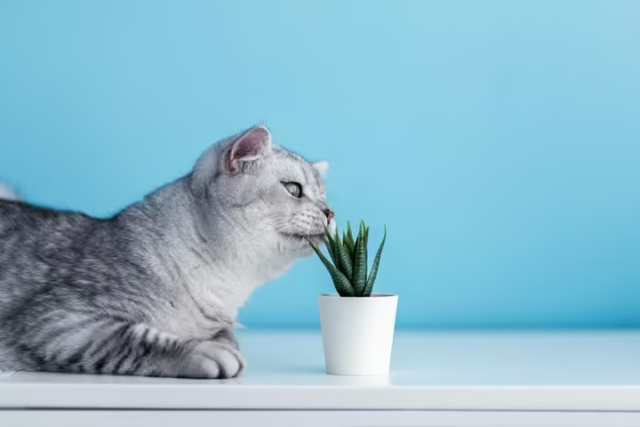
Catnip is safe and is enjoyed by many cats, who respond with rolling, rubbing, and playful behavior, although about a third of cats do not respond at all. Cat grass, grown from wheat, oat, barley, or rye seeds, is a safe way to satisfy a cat’s urge to nibble on greenery, and may help with hair balls. Some herbs, such as parsley in small amounts, are safe, but others, including chives and garlic, are toxic, and essential oils can be dangerous. Do not offer herbs without checking.
Foods to Keep Away From Your Cat
The list of foods to avoid is as important as the list of foods to offer. Onions, garlic, chives, and leeks can damage red blood cells and cause anemia, and cats are more sensitive to them than dogs. Chocolate and cocoa contain theobromine and caffeine, which are toxic, as are coffee, tea, and energy drinks. Grapes and raisins have caused kidney failure in dogs, and although the effect in cats is less clear, they should be avoided. Alcohol is dangerous even in small amounts. Raw dough, macadamia nuts, and foods sweetened with xylitol should not be given. Avocado is high in fat and contains persin, which may cause vomiting, and the pit is a choking hazard. Lilies are not food, but they are among the most dangerous plants for cats, and even small amounts of pollen or water from the vase can cause kidney failure, so keep them out of the house.
Cooked bones can splinter, and raw bones carry bacteria and may break teeth. Fat trimmings and greasy foods can trigger pancreatitis. Dog food is not a good regular food for cats, because it lacks adequate taurine and other nutrients, and the same goes for human foods that are processed and heavily seasoned. Baby food is often made with onion powder and should be avoided unless the label confirms that it contains only meat.
Portion Sizes and a Realistic Treat Plan
To make the ten percent guideline practical, think in teaspoons. A teaspoon of cooked chicken is roughly five to ten calories, and a small cube of cheese is 20 to 30. A tablespoon of tuna in water is about 15 to 20. A typical cat can have a few teaspoon-sized treats a day, and if you give more, reduce her regular food. Keep treats varied and occasional, and avoid creating a habit of begging at the table, which is difficult to reverse.
The cost is small. A small portion of cooked chicken breast or a can of sardines costs a few cents to a dollar per serving, which compares favorably with many commercial treats priced at 3 to 8 dollars or euros per bag.
How to Introduce a New Food Without Upsetting Her
Cats can be cautious about change, and their digestive systems can be sensitive. When offering a new human food, give a piece no larger than a pea on the first day, and watch for vomiting, diarrhea, itching, or loss of appetite over the next twenty-four hours. If she tolerates it, you can gradually offer slightly larger portions, always within the treat allowance. Introduce only one new item at a time, so that if something disagrees with her, you know the cause. If your cat is picky, warm the food slightly, since a gentle warmth releases aroma, which is a powerful driver of a cat’s appetite. Avoid hiding new foods inside her regular meals at first, because she may start refusing the meal altogether.
Foods That Help in Specific Situations
Certain human foods have particular uses. A teaspoon of plain canned pumpkin can help with mild constipation or loose stool, thanks to its soluble fiber, though persistent digestive problems always need veterinary attention. Cooked, shredded chicken with a little of its cooking water can tempt a cat who is recovering from illness and has a poor appetite, but a cat who stops eating for more than a day should see a veterinarian, because prolonged fasting in cats can lead to a dangerous liver condition called hepatic lipidosis. Water from canned tuna in water or low-sodium, onion-free chicken broth can encourage drinking, which is helpful for cats prone to urinary problems. For cats who need to take medication, a small amount of plain cooked meat or a commercial pill pocket can help, but check with your veterinarian first.
Special Considerations for Kittens, Seniors, and Cats With Health Conditions
Kittens have high energy and nutrient needs and small stomachs, and their main food should be a complete kitten diet, with human treats limited to a few tiny pieces. Senior cats often lose weight and muscle, and the temptation to give extra food is strong, but older cats are also prone to kidney disease, thyroid disorders, and diabetes, which change what is appropriate. A cat with kidney disease may need to limit phosphorus and protein, so foods such as liver, cheese, and some meats should be given only on veterinary advice. A diabetic cat needs a consistent routine and low-carbohydrate meals, and treats should be planned with the veterinarian. Cats with food allergies or sensitive stomachs should have a restricted list of foods, and any new item should be discussed first. Overweight cats benefit from using small pieces of their regular food as treats, rather than adding extras.
Teaching Your Cat Table Manners
A cat who learns that begging works will beg more, so it is wise to decide in advance how to handle mealtimes. Feed her before you sit down to eat, so that she is not hungry, and give her a puzzle feeder or a favorite toy to occupy her. Reward her for staying on the floor or on a perch, and give any treats in her own bowl, away from the table. Do not hand over food while you are eating, as this creates a strong association. If she jumps on the table or counter, gently place her on the floor without fuss, and reward her for settling elsewhere. Consistency matters, and everyone in the household should follow the same rules. Many cats adapt within a couple of weeks, and the household becomes more peaceful for everyone.
What Veterinarians Wish Owners Knew
Veterinarians who see overweight cats and cats with chronic digestive trouble often point to the same pattern: many small extras that add up. A bit of cheese here, a spoonful of tuna there, and a few pieces of chicken at every meal can easily push a cat past her calorie needs while quietly displacing the nutrients in her complete food. They also stress that variety is not a requirement for cats. A cat who eats the same balanced food every day is not bored in the way a person might be, and treats work best when they are special rather than constant. If you want to share food, do it deliberately, choose the simple options in this guide, record what you give, and tell your veterinarian at each visit, so that they can adjust her diet if needed.
Frequently Asked Questions
Can cats eat cooked chicken every day?
A small amount of plain cooked chicken is safe, but it should not replace complete cat food, because chicken alone lacks several nutrients that cats need. A few pieces a day within the ten percent limit is acceptable for most cats. Variety and balance matter more than any single food.
Is tuna safe for cats?
Tuna in small, occasional amounts is safe, but regular feeding can cause nutritional imbalances and mercury exposure. Choose tuna packed in water, without salt, and limit it to a once-or-twice-weekly treat. Tuna made for cats is formulated to be nutritionally complete.
Can cats eat eggs?
Cooked eggs, without seasoning, are safe in small amounts. Avoid raw eggs, which carry Salmonella risk. A teaspoon or two of scrambled or boiled egg is a good treat, but it is not a substitute for complete food.
Can cats have cheese?
A tiny piece of plain, hard cheese is usually tolerated, because it contains little lactose, but cheese is high in fat and salt and should be rare. Avoid processed cheese, cream cheese with flavorings, and cheese with onion or garlic.
Are any vegetables good for cats?
Plain cooked pumpkin, carrots, green beans, peas, and sweet potato are safe in small amounts, and some cats enjoy them. Cats do not need vegetables, so they are optional extras. Avoid onions, garlic, and any seasoned or buttered vegetables.
Can cats eat bread or pasta?
A nibble of plain baked bread or cooked pasta will not hurt most cats, but these foods add calories without nutrition. Never give raw yeast dough, which can expand in the stomach and produce alcohol.
Is it safe to give my cat leftovers from my plate?
Often not, because leftovers usually contain salt, oil, spices, onion, or garlic. If you want to share, set aside a plain portion before you season the food. Cook meat without additions, and give only a small piece.
What should I do if my cat eats something toxic?
Contact your veterinarian or an animal poison hotline immediately, even if your cat seems fine. In the United States, you can call the ASPCA Animal Poison Control Center or the Pet Poison Helpline. In the United Kingdom, call your vet or an emergency clinic, and in Germany, contact a tierärztlicher Notdienst or a poison information center. Bring the packaging, and note the amount and the time.
Can I feed my cat a homemade diet instead of commercial food?
Only with the help of a board-certified veterinary nutritionist. Cats have exacting requirements for taurine, vitamins, and minerals, and homemade diets from the internet are often deficient. A consultation and a custom recipe cost 150 to 400 dollars or euros, and they are worth the expense if you want to feed home-prepared meals safely.
Sharing Without Regret
The best human foods for cats are those that fit her biology: simple, cooked, lean, and small. Used well, they are a way to build the bond with your cat, to coax a reluctant eater, or to reward training, and they cost almost nothing. Used carelessly, they can lead to weight gain, digestive upset, or exposure to toxins. Keep the portions modest, check the ingredients, and keep the complete cat food at the center of her diet. The next time that unblinking stare finds you at the table, you can answer it with confidence, and a single, plain piece of chicken, held out on a fingertip.
In frames · the Cat desk
 The Best Human Foods That Are Safe for Cats
 Is Milk Good for Cats? The Truth About Digestion
 Why Your Cat Should Never Go Vegetarian
Why Does My Cat Bring Me Dead Mice?
Hover to fan the frames
Your take
Was this worth your time?
0 reactions