
On this page
In this story
- Table of Contents
- 25 Years of Kabhi Khushi Kabhie Gham
- Executive Snapshot: Why K3G Still Matters at 25
- Part 5: 25 Years Later — Why K3G Endures in the Streaming Era
Table of Contents
25 Years of Kabhi Khushi Kabhie Gham
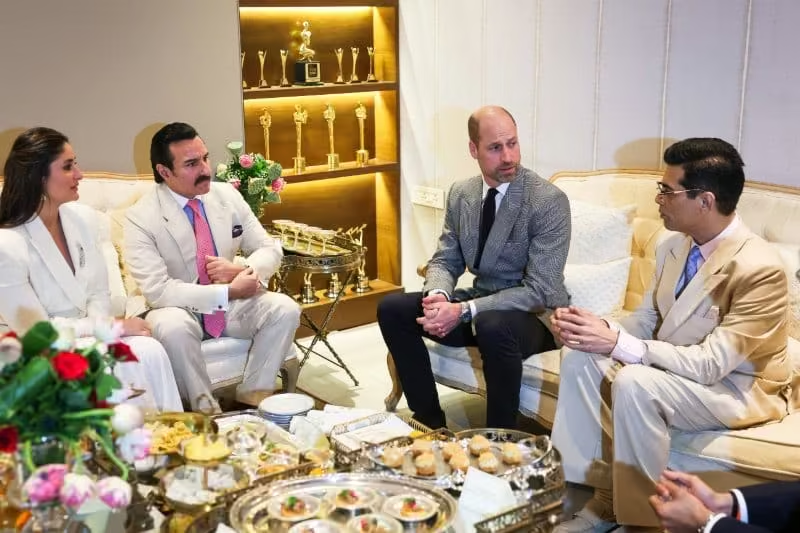
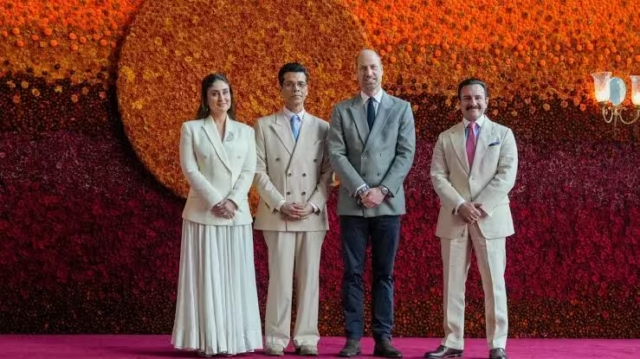
When Karan Johar’s Kabhi Khushi Kabhie Gham… (K3G) arrived in theatres on December 14, 2001, few could have predicted that a three-and-a-half-hour melodrama anchored by the tagline “It’s all about loving your parents” would still command global pop culture a quarter-century later. Twenty-five years on in 2026, K3G is no longer merely a box-office milestone—it is a shared generational language. From viral social media reels quoting Kareena Kapoor Khan’s iconic Poo to orchestral tributes at London’s Royal Albert Hall and Prince William applauding live studio performances of “Say Shava Shava” and “Bole Chudiyan” during his November 2026 visit to Dharma Productions, the film’s cultural footprint has only deepened with time.
Uniting six of Indian cinema’s most luminous stars—Amitabh Bachchan, Jaya Bachchan, Shah Rukh Khan, Kajol, Hrithik Roshan, and Kareena Kapoor Khan, alongside a memorable special appearance by Rani Mukerji—Kabhi Khushi Kabhie Gham redefined Bollywood’s scale, global distribution, fashion vocabulary, and emotional bond with the South Asian diaspora.
Executive Snapshot: Why K3G Still Matters at 25
- Unmatched Ensemble & Box-Office Milestone: Released in December 2001 and produced by Yash Johar under Dharma Productions, K3G became the highest-grossing Indian film overseas at the time of its release, shattering box-office records across the United Kingdom and North America.
- Turning Britain Into a Cinematic Canvas: By staging its entire second half in and around London, the film transformed stately British heritage properties and urban landmarks—including Blenheim Palace, Waddesdon Manor, St Paul’s Cathedral, and Bluewater Shopping Centre—into iconic Bollywood pilgrimage sites.
- Voice of the British-Asian Diaspora: For second- and third-generation British Asians growing up in the 2000s, K3G validated a dual cultural identity—celebrating Karva Chauth, Diwali, and family rituals in the heart of London without asking characters to shed their Indian roots.
- A Soundtrack Built for Decades: Composed by Jatin-Lalit, Sandesh Shandilya, and Aadesh Shrivastava with lyrics by Sameer and Anil Pandey, the album remains one of the best-selling and most-streamed Hindi soundtracks in history, anchored by Lata Mangeshkar’s title track and wedding-season staples “Bole Chudiyan” and “Say Shava Shava”.
Part 1: The Architecture of Emotion — Why K3G Worked on Such a Grand Scale
At its core, Kabhi Khushi Kabhie Gham operates on an unabashedly operatic register. Yashvardhan Raichand (Amitabh Bachchan), a stern Delhi patriarch bound by lineage and social stature, disowns his adopted elder son Rahul (Shah Rukh Khan) after Rahul marries Anjali Sharma (Kajol), a spirited woman from Chandni Chowk rather than the wealthy family match Yash had chosen. Ten years later, younger brother Rohan (Hrithik Roshan) travels to London to reunite the fractured family, teaming up with Anjali’s glamorous younger sister Pooja, aka Poo (Kareena Kapoor Khan).
Maximalism With a Heartbeat
In 2001, Karan Johar—directing only his second feature after Kuch Kuch Hota Hai (1998)—leaned completely into emotional maximalism. Every frame was designed to feel larger than life: sweeping crane shots across marble courtyards, helicopter arrivals, cascading marigold garlands, and tearful mother-son reunions where Nandini (Jaya Bachchan) senses Rahul’s presence before he even steps through the doorway.
Yet beneath the chandeliers and designer couture lay a universal conflict familiar to families everywhere: duty versus love, patriarchal pride versus parental tenderness, and the ache of homesickness when living oceans away from home. That emotional sincerity is precisely why audiences who mocked its melodrama in their teens returned to it with genuine affection in their twenties and thirties.
Part 2: Britain Through a Bollywood Lens — K3G’s Iconic UK Filming Locations
One of Kabhi Khushi Kabhie Gham’s most enduring legacies is how it visually reimagined the United Kingdom. Rather than treating London as an exotic postcard backdrop for a single song sequence, Johar integrated British geography into the emotional arc of the narrative—turning real-world landmarks into recognizable characters for cinema lovers worldwide.
| British Landmark / Location | Role in Kabhi Khushi Kabhie Gham | Behind-the-Scenes & Pop-Culture Legacy |
| Blenheim Palace (Woodstock, Oxfordshire) | Exterior of the Raichand family’s grand mansion in India. | Ironically, the birthplace of Sir Winston Churchill and ancestral home of the Dukes of Marlborough doubled on screen as Delhi’s wealthiest Indian estate—becoming an instant stop for Bollywood location tours. |
| Waddesdon Manor (Buckinghamshire) | Exterior estate and lush gardens featured during “Bole Chudiyan” and family celebrations. | Built in the Neo-Renaissance style by Baron Ferdinand de Rothschild, its manicured parterres framed one of Hindi cinema’s most elaborate festive song-and-dance ensembles. |
| St Paul’s Cathedral & Millennium Bridge (London) | Featured in the opening London montage and “Suraj Hua Maddham” transitions. | Captured Rohan’s arrival in the British capital, symbolizing the characters’ transition from old-world Delhi to modern global London. |
| Trafalgar Square & Tower Bridge (Central London) | Urban backdrop for Rohan’s search for Rahul and Anjali across London. | Grounded the second half of the film in everyday British public spaces recognizable to millions of diaspora viewers. |
| King’s Cross Station (London) | Where Rohan arrives by train and first glimpses Poo on the platform. | Filmed years before the station’s major modern concourse redevelopment, preserving a nostalgic snapshot of early-2000s London rail travel. |
| Bluewater Shopping Centre (Dartford, Kent) | Setting for Poo’s iconic makeover and campus-style fashion sequences. | Transformed a suburban retail complex in Kent into the spiritual home of early-2000s Bollywood Y2K fashion. |
| Stowe School / King’s College London | Stand-in for Rohan and Poo’s British university campus life. | Framed the playful campus banter between Hrithik Roshan and Kareena Kapoor Khan that defined youth culture for a generation. |
Part 3: Cultural Impact on the British-Asian Diaspora
To understand why Kabhi Khushi Kabhie Gham occupies a sacred place in British-Asian cultural history, it helps to remember what mainstream representation looked like in 2001.
Before the streaming era and global pan-Indian blockbusters, South Asian families in cities like London, Birmingham, Leicester, Manchester, and Bradford experienced Hindi cinema primarily through local independent cinemas (such as the Belle Vue in Leicester or the Safari Cinema in Harrow), rented VHS tapes, and Sunday family gatherings.
1. Rewriting the NRI (Non-Resident Indian) Narrative
In many 1990s Bollywood films, characters living in the West were portrayed either as culturally rootless or desperate to escape Westernization. K3G offered a nuanced evolution. Rahul and Anjali live comfortably in a spacious London home, speak fluent English alongside Hindi and Punjabi, and build friendships with British neighbours—yet their home remains unmistakably Indian, anchored by a temple corner, morning tea rituals, and spontaneous community celebrations.
2. The School-Assembly Scene That Moved a Generation
One scene in particular became an emotional touchstone for British-Asian children: young Krish (Jibraan Khan) singing “Jana Gana Mana”, the Indian national anthem, at his British school’s annual function while his parents watch with brimming eyes. For diaspora parents raising children in the UK—and for kids navigating dual identities in British classrooms—that moment crystallized the quiet pride of carrying cultural heritage across borders without apologizing for it.
3. Poo and the Blueprint of Y2K Diaspora Pop Culture
Kareena Kapoor Khan’s Pooja (Poo)—styled by Manish Malhotra in asymmetrical crop tops, faux-fur trims, metallic shimmer, and sharp sunglasses—became an instant icon for young South Asian women in Britain and globally. Unapologetically confident, witty, and fiercely loyal to her sister, Poo flipped the script on the shy, passive Bollywood heroine. Twenty-five years later, lines like “Kaun hai jisne dobara mudke mujhe nahi dekha?” and “Tumhe koi haq nahi banta ki tum itni khoobsurat lago” remain staples of Gen-Z and millennial pop-culture lexicon.
Part 4: Why the K3G Soundtrack Still Resonates Globally
If the visuals gave Kabhi Khushi Kabhie Gham its grandeur, its music gave it immortality. Rarely has a single album balanced classical reverence, romantic intimacy, and high-voltage celebratory energy with such precision.
1. Lata Mangeshkar’s Immortal Title Track
Composed by Jatin-Lalit with lyrics by Sameer and sung by the late Lata Mangeshkar, the title song “Kabhi Khushi Kabhie Gham” functions as the emotional spine of the entire three-hour film. Rather than relying on heavy percussion, the melody builds around strings, sitar, and Mangeshkar’s crystalline vocal phrasing—evoking the bittersweet truth of family life: joy and sorrow are inseparable threads of the same fabric. Whenever the opening notes play, audiences immediately recognize the emotional weight of the Raichand household.
2. Wedding & Festival Anthems: “Bole Chudiyan” and “Say Shava Shava”
- “Bole Chudiyan” (Jatin-Lalit; sung by Kavita Krishnamurthy, Alka Yagnik, Sonu Nigam, Udit Narayan, and Amit Kumar): Choreographed by Farah Khan, this Karva Chauth spectacle united all six lead actors in a masterclass of ensemble staging. A quarter-century later, no South Asian sangeet or Diwali party in Mumbai, London, Toronto, or New York feels complete without its infectious chorus.
- “Say Shava Shava” (Aadesh Shrivastava; sung by Alka Yagnik, Sunidhi Chauhan, Udit Narayan, Sudesh Bhosle, Aadesh Shrivastava, and Amitabh Bachchan): Featuring Amitabh Bachchan trading dance steps with Shah Rukh Khan and Rani Mukerji, the track fused Punjabi dhol energy with contemporary club production—making it as exhilarating in 2026 (including live performances during Prince William’s Dharma visit) as it was in 2001.
3. Visual Poetry in “Suraj Hua Maddham” and “You Are My Soniya”
- “Suraj Hua Maddham” (Sandesh Shandilya; sung by Sonu Nigam and Alka Yagnik): Shot amidst the Pyramids of Giza in Egypt, the song paired sweeping classical romance with Shah Rukh Khan and Kajol’s unmatched on-screen chemistry.
- “You Are My Soniya” (Sandesh Shandilya; sung by Sonu Nigam and Alka Yagnik): Captured the club-ready energy of early-2000s London, showcasing Hrithik Roshan and Kareena Kapoor Khan’s electric dance partnership.
Part 5: 25 Years Later — Why K3G Endures in the Streaming Era
In 2026, attention spans are fragmented across 15-second vertical videos, and theatrical releases face fierce competition from global streaming libraries. Yet Kabhi Khushi Kabhie Gham continues to draw massive viewership whenever it re-releases in theatres, airs on television, or trends on streaming platforms.
Its longevity comes down to three timeless truths:
- Unrepeatable Star Chemistry: Bringing together Amitabh and Jaya Bachchan, Shah Rukh Khan and Kajol, and Hrithik Roshan and Kareena Kapoor Khan in a single narrative created a multi-generational star alignment that modern cinema has rarely replicated.
- Design & Music That Aged Into Classics: Manish Malhotra’s festive lehengas, Sharmishta Roy’s lavish production design, and Kiran Deohans’ warm cinematography look unmistakably iconic rather than dated.
- A Universal Emotional Core: Technologies change, cities evolve, and fashion cycles turn every decade—but the longing to be forgiven by the people who raised you, and the joy of coming home, never goes out of style.
Frequently Asked Questions (FAQs)
When was Kabhi Khushi Kabhie Gham released, and when is its 25th anniversary?
Kabhi Khushi Kabhie Gham… was originally released in theatres on December 14, 2001, marking its 25th anniversary on December 14, 2026.
Where in the UK was Kabhi Khushi Kabhie Gham filmed?
Major scenes were filmed at Blenheim Palace (Oxfordshire), Waddesdon Manor (Buckinghamshire), St Paul’s Cathedral, Trafalgar Square, Tower Bridge, King’s Cross Station in London, and Bluewater Shopping Centre in Kent.
Who composed the music for Kabhi Khushi Kabhie Gham?
The soundtrack featured music by three composer units: Jatin-Lalit (the title track, “Bole Chudiyan”, “Yeh Ladka Hai Allah”), Sandesh Shandilya (“Suraj Hua Maddham”, “You Are My Soniya”, “Deewana Hai Dekho”), and Aadesh Shrivastava (“Say Shava Shava”).
Why did Kabhi Khushi Kabhie Gham have such a major impact on the British-Asian diaspora?
It was one of the first mainstream Bollywood blockbusters to portray British-Asian family life with both warmth and cultural pride—setting half the story in London, celebrating Indian traditions abroad, and breaking overseas box-office records in the UK.
In frames · the Bollywood desk
 25 Years of Kabhi Khushi Kabhie Gham (2001–2026): How Karan Johar’s Family Epic Became a Global Cultural Touchstone
 Avengers: Doomsday Shatters Records as India Advance Bookings Cross ₹50 Crore Ahead of Release
 Salman Khan Confirms Dabangg 4, Rules Out Bajrangi Bhaijaan 2, and Apologizes to Shraddha Kapoor Over Maatrubhumi–Eetha Clash
 Dia Mirza Indian Actress, Film Producer, Former Beauty Queen & Global Environmental Advocate
Hover to fan the frames
Your take
Was this worth your time?
0 reactions