On this page
- Table of Contents
- From Bollywood Glamour to Vegan Luxury: How Aishwarya Rai and Katrina Kaif Are Changing India’s Fashion Scene
- Executive Snapshot: Why the 2026 PETA India Wins Are a Turning Point
- Part 1: Deconstructing Luminara — How Aishwarya Rai Bachchan and Amit Aggarwal Re-Engineered Red Carpet Couture
In this story
- Table of Contents
- From Bollywood Glamour to Vegan Luxury: How Aishwarya Rai and Katrina Kaif Are Changing India’s Fashion Scene
- Executive Snapshot: Why the 2026 PETA India Wins Are a Turning Point
- Part 1: Deconstructing Luminara — How Aishwarya Rai Bachchan and Amit Aggarwal Re-Engineered Red Carpet Couture
Table of Contents
From Bollywood Glamour to Vegan Luxury: How Aishwarya Rai and Katrina Kaif Are Changing India’s Fashion Scene

For decades, the unspoken rule of global luxury—whether on the steps of the Palais des Festivals in Cannes or across the marble counters of flagship beauty retailers—was that true prestige required animal-derived materials. Haute couture demanded mulberry silk, ostrich feathers, and calfskin; high-pigment prestige cosmetics relied on crushed cochineal beetles (carmine), beeswax, guanine, and animal-derived squalene.
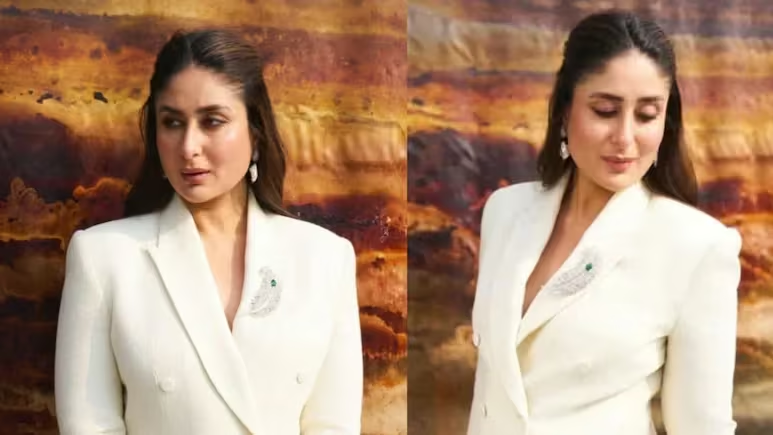
In November 2026, PETA India’s Vegan Fashion Awards officially buried that outdated premise. By awarding top honours to Aishwarya Rai Bachchan for her sculptural Cannes Film Festival red carpet appearance and Katrina Kaif’s Kay Beauty for reshaping commercial cosmetics, the 2026 awards spotlighted a fundamental structural transformation in Indian luxury. Compassion is no longer confined to niche, earthy-toned indie labels or minimalist capsule wardrobes. Today, cruelty-free innovation sits at the intersection of 1,500-hour architectural couture and Rs 350-crore retail empires.
Executive Snapshot: Why the 2026 PETA India Wins Are a Turning Point
Before diving into the material engineering, business economics, and broader industry shifts, here is what defines this cultural and commercial milestone:
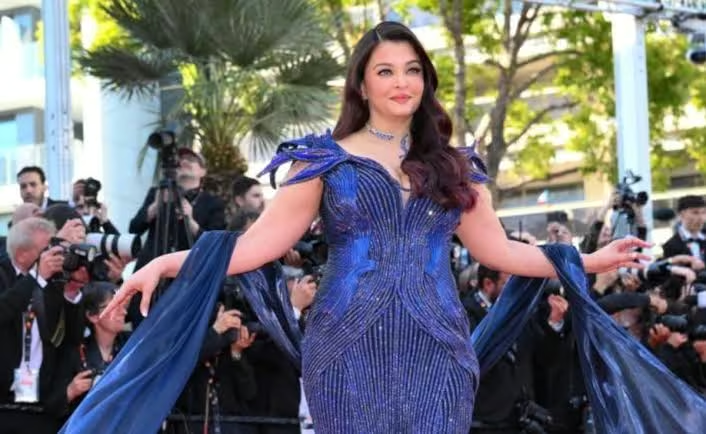
- Couture Without Compromise: Aishwarya Rai Bachchan won Best Vegan Fashion Moment for wearing Luminara, a custom abyss-blue sculptural gown by Indian couturier Amit Aggarwal at the 79th Cannes Film Festival. Engineered over 1,500 artisan hours using recycled rubber cords, metallic polymers, and hand-embroidered crystal veins, the garment contained zero silk, feathers, or animal byproducts.
- Commercial Scale in Clean Beauty: Katrina Kaif’s Kay Beauty (co-founded with Nykaa) won Best Vegan Makeup. Having surpassed Rs 350 crore in Gross Merchandise Value (GMV) and achieving profitability within a year of launching in the UK via luxury retailer Space NK, Kay Beauty proved that 100% vegan, cruelty-free formulations can outperform legacy synthetic-and-animal-derived competitors at massive scale.
- Ecosystem-Wide Disruption: Alongside Aishwarya and Katrina, PETA India’s 2026 honours recognized a complete supply-chain shift—from Karishma Tanna (Best Vegan Style Icon) to Terratan (Best Vegan Leather Innovation crafted from sugarcane bagasse, wheat husk, and paddy straw) and Trent Limited (Zudio Beauty and Studio West).
Part 1: Deconstructing Luminara — How Aishwarya Rai Bachchan and Amit Aggarwal Re-Engineered Red Carpet Couture
When Aishwarya Rai Bachchan stepped onto the Croisette in May 2026, celebrating 24 years as India’s most recognizable global ambassador at the Cannes Film Festival, expectations were astronomical. Over two decades, her Cannes wardrobe has functioned as a barometer for how Indian design is perceived on the world stage. Rather than turning to a European heritage fashion house reliant on traditional silk taffeta or tulle, she partnered with New Delhi-based couturier Amit Aggarwal, styled by Mohit Rai, to unveil Luminara.
The Philosophy of Biomimicry and Light in Motion
Amit Aggarwal has spent over a decade pioneering a distinctly Indian vocabulary of futuristic couture—one rooted in industrial materials, recycled polymers, and structural biomimicry. For Luminara, the creative thesis was exploring light not merely as surface reflection, but as kinetic energy and biological propulsion.
- Architectural Silhouette: The gown featured a dramatic fishtail silhouette anchored by sweeping, wing-like shoulder extensions. Inspired by deep-sea bioluminescence and winged anatomy, these structured appendages framed Bachchan’s posture with sharp architectural tension while remaining fluid enough to move dynamically as she walked.
- The “Crystal Vein” Technique: Across the abyss-blue body of the gown, artisans executed Aggarwal’s signature Crystal Vein embroidery. Hundreds of individually placed crystals and metallic threads were hand-sewn along lattice-like pathways. Under the relentless flashbulbs of the Cannes press line, these veins created the optical illusion of illuminated energy coursing across the textile.
- 1,500 Hours of Human Craft: A common misconception about vegan or synthetic-polymer fashion is that it relies on automated, factory-stamped production. Luminara shattered that stereotype. Constructing the structural cording, moulding the biomimetic shoulders, and hand-anchoring the crystal lattice required more than 1,500 hours of specialized craftsmanship by Indian karigars and textile engineers.
Why Eliminating Silk Matters in Indian Luxury
In India, silk carries immense cultural reverence, which often obscures the harsh reality of conventional sericulture. Producing just one kilogram of traditional mulberry silk requires boiling or steaming roughly 6,600 silkworms alive inside their cocoons before they can chew their way out and break the continuous filament. Furthermore, conventional silk dyeing and degumming processes consume vast quantities of water and release toxic chemical effluents into local waterways.
By replacing silk and animal-derived structural boning with recycled rubber cords, proprietary hand-woven polymers, and metallic filaments, Aggarwal and Bachchan demonstrated that the soul of Indian craftsmanship lies in the skill of the artisan’s hands, not the exploitation of living creatures. When PETA India named Luminara the Best Vegan Fashion Moment of 2026, it sent an unmistakable message to bridal and red-carpet designers across Mumbai and New Delhi: future-forward material science is the new benchmark of haute couture.
Part 2: The Rs 350-Crore Blueprint — How Katrina Kaif’s Kay Beauty Conquered Clean Cosmetics
If Aishwarya Rai Bachchan’s Cannes moment proved that vegan fashion can command the pinnacle of bespoke luxury, Katrina Kaif’s Kay Beauty proved that cruelty-free ethics can power a juggernaut consumer business.
Launched in October 2019 as a joint venture between Katrina Kaif and beauty retail giant Nykaa, Kay Beauty entered an Indian cosmetics landscape dominated by legacy multinational conglomerates. At the time, sceptics dismissed celebrity beauty lines as fleeting merchandise plays. Seven years later, in 2026, Kay Beauty stands as a case study in product-market fit, ethical formulation, and cross-border scalability.
Anatomy of a Rs 350-Crore Vegan Empire
Winning Best Vegan Makeup at the PETA India 2026 Vegan Fashion Awards came on the heels of extraordinary financial milestones:
- Crossing the Rs 350-Crore GMV Mark: According to Nykaa’s financial disclosures and industry reporting in late 2025 and 2026, Kay Beauty crossed Rs 350 crore in Gross Merchandise Value (GMV), reaching an annualised net sales value (NSV) run rate of Rs 300 crore in Q1 FY27 with nearly three million repeat consumers.
- Breaking Into the UK Luxury Market (Space NK): Rather than limiting itself to domestic e-commerce, Kay Beauty expanded internationally into the United Kingdom via Space NK—one of Britain’s most selective luxury beauty retailers—as well as into the Gulf Cooperation Council (GCC) region through Nysaa. Within 12 months of its UK debut, the brand turned profitable, broke into Space NK’s top-five performing makeup brands, and won Best New Brand at the 2026 CEW UK Consumer Choice Awards.
- The “Makeup That Cares” Formulation Strategy: Kaif’s core product insight was bridging high-glamour editorial performance with skin-nourishing, 100% vegan ingredients. Instead of animal-derived waxes, lanolin, or carmine, Kay Beauty formulates its lip crayons, hydrating foundations, and waterproof kajals with avocado oil, marula oil, chamomile, pomegranate extract, and plant-derived ceramides.
Hidden Animal Ingredients in Conventional Makeup (And How Vegan Brands Replace Them)
To appreciate why PETA India’s recognition of Kay Beauty carries weight, consumers need to understand what lurks inside standard, non-vegan cosmetics:
| Traditional Cosmetic Ingredient | Animal Origin | Function in Makeup | Kay Beauty / Vegan Alternative |
| Carmine (CI 75470) | Crushed female cochineal insects | Deep red and pink pigments in lipsticks and blushes | Plant-derived fruit/vegetable anthocyanins, iron oxides, and clean mineral pigments |
| Beeswax (Cera Alba) | Honeybee secretions | Structural firmness and water resistance in lipsticks and mascaras | Candelilla wax, carnauba wax, and sunflower seed wax |
| Lanolin | Sebaceous glands of sheep (extracted from wool) | Emollient moisture barrier in lip balms and cream blushes | Shea butter, marula oil, avocado oil, and plant squalane |
| Squalene | Shark liver oil | Lightweight skin hydration and slip in foundations | Olive-derived or sugarcane-derived bio-fermented squalane |
| Guanine (CI 75170) | Scraped fish scales | Pearlescent shimmer in highlighters and eyeshadows | Synthetic fluorphlogopite (lab-created mica) and mineral pearls |
| Keratin / Collagen | Ground animal hooves, horns, bones, or fish skin | Strengthening and plumping claims in lash primers and lip glosses | Hydrolyzed soy, wheat, or pea proteins and hyaluronic acid |
By eliminating every single one of these animal derivatives while developing shade ranges specifically calibrated for olive, golden, and deep undertones, Kay Beauty removed the friction between ethical shopping and high-performance glam.
Part 3: The Complete 2026 PETA India Vegan Fashion Awards Landscape
While Aishwarya Rai Bachchan and Katrina Kaif captured the biggest headlines, the 2026 PETA India Vegan Fashion Awards mapped out an entire ecosystem of Indian entrepreneurs, material scientists, and mass-market retailers abandoning animal agriculture.
Full Breakdown of Key 2026 Winners & Innovations
| Award Category | 2026 Winner | Core Material / Business Breakthrough | Why It Matters to Indian Consumers |
| Best Vegan Fashion Moment | Aishwarya Rai Bachchan & Amit Aggarwal | Luminara Cannes 2026 gown built from recycled rubber cords, polymers, and crystal veins | Validates cruelty-free textile engineering at the highest tier of global haute couture |
| Best Vegan Makeup | Kay Beauty by Katrina Kaif | 100% vegan, paraben-free cosmetics crossing Rs 350 crore GMV and scaling in the UK | Proves clean, cruelty-free beauty can dominate mass-premium retail without sacrificing pigment |
| Best Vegan Style Icon | Karishma Tanna | Starred in PETA India’s anti-leather print campaign exposing hide industry cruelty | Uses mainstream television and digital stardom to educate buyers on leather’s hidden ethical cost |
| Best Vegan Leather Innovation | Terratan | Bio-leather engineered from agricultural waste: sugarcane bagasse, wheat husk, and paddy straw | Turns North India’s crop-burning waste problem into circular, cruelty-free fashion hardware |
| Best Vegan Personal Care Brand | Trent Limited | Cruelty-free skincare and beauty lines across Studio West, Zudio Beauty, and Burnt Toast | Democratizes vegan personal care at hyper-accessible price points across Tier-1 to Tier-3 cities |
| Best Vegan Saree Collection | Shobitam Sarees | Handloom heritage weaves crafted using plant-based and cruelty-free silk alternatives | Preserves traditional Indian weaving clusters while removing silkworm cruelty from festive wear |
| Best Vegan Handbags & Travel Gear | Label Jenn & Scarters | Structured, durable accessories crafted from high-grade vegan microfibres and recycled textiles | Offers luxury-grade work bags and luggage without calfskin or exotic animal hides |
| Best Vegan Footwear (Women & Men) | Sol’eart Fashion & Kraasa | Breathable, non-leather footwear lines designed for Indian weather and daily wear | Replaces conventional leather shoes with durable, animal-free everyday alternatives |
| Best Vegan Loungewear & Kids | Nobero & Zoey | Organic, animal-free casual apparel and children’s wear | Eliminates wool, down feathers, and harsh chemical finishes from daily family wardrobes |
Spotlight on Agricultural Circularity: Terratan and Next-Gen Biomaterials
One of the most consequential winners on the 2026 list—and a crucial story for anyone tracking sustainable business in India—is Terratan. Historically, critics of vegan leather pointed out that early faux leathers were simply virgin PVC or polyurethane (PU) plastics derived from petrochemicals.
In 2026, Indian material startups have moved firmly into third-generation bio-leathers. By upcycling sugarcane bagasse, wheat husk, and paddy straw—agricultural residues that otherwise contribute to seasonal air pollution across the Indo-Gangetic plain—innovators like Terratan create supple, durable textiles with a fraction of the water footprint and carbon emissions of bovine leather. Combined with mass-retail adoption by giants like Trent Limited (Zudio Beauty and Studio West), vegan lifestyle choices in India have officially crossed the affordability barrier.
Part 4: The Bigger Picture — Bollywood’s Broader Shift Toward Conscious Beauty and Fashion
Aishwarya Rai Bachchan and Katrina Kaif are leading a wider structural wave across Indian entertainment and entrepreneurship. Between 2020 and 2026, celebrity involvement in Indian fashion and beauty evolved from passive brand ambassadorships to founder-led, equity-backed ethical brands:
- 82°E by Deepika Padukone: Built around minimalist, vegan, and cruelty-free skincare formulations paired with sustainability commitments around plastic waste recovery and reforestation.
- Hyphen by Kriti Sanon: Focuses on 100% vegan, multi-functional skincare solutions housed in recyclable packaging designed for younger, ingredient-literate Indian consumers.
- LoveChild by Masaba Gupta: Merges expressive, inclusive colour cosmetics with paraben-free, vegan, and cruelty-free standards tailored to Indian skin tones.
- Anomaly by Priyanka Chopra Jonas: Disrupts haircare with 100% vegan, sulfate-free formulas packaged in bottles made from 100% recycled plastic trash.
- Alia Bhatt’s Ed-a-Mamma & Gucci Partnership: Continues championing plant-based, biodegradable textiles in children’s and maternity wear while amplifying global luxury’s shift toward Demetra (animal-free luxury material) on international red carpets.
Why Gen-Z and Millennial Indian Buyers Are Driving This Shift
Three converging forces explain why cruelty-free luxury is outperforming traditional models in India right now:
- Ingredient Literacy: Equipped with smartphone ingredient scanners and dermatological content creators, urban Indian shoppers routinely flip product boxes to check for parabens, carmine, beeswax, and animal-testing disclosures.
- Global Aspiration Without Cultural Erasure: Brands like Kay Beauty and couturiers like Amit Aggarwal prove that Indian consumers don’t have to import Western ethics—they can buy homegrown brands that celebrate Indian artistry, skin tones, and agricultural upcycling while meeting strict global cruelty-free standards.
- The Death of the “Sacrifice” Narrative: Ten years ago, buying vegan shoes meant stiff plastic, and buying vegan lipstick meant chalky pigment. When Aishwarya Rai Bachchan commands the Cannes red carpet in a 1,500-hour polymer-and-crystal gown and Katrina Kaif builds a Rs 350-crore makeup powerhouse, cruelty-free becomes synonymous with superior aesthetics and performance.
Part 5: A Practical Consumer Guide — How to Spot Truly Cruelty-Free & Vegan Luxury in India
As “clean,” “green,” and “conscious” become popular marketing buzzwords, greenwashing has inevitably followed. Whether you are shopping for bridal couture, everyday footwear, or a new foundation, use this five-point verification checklist before buying:
- Distinguish “Cruelty-Free” from “100% Vegan”:
- Cruelty-Free means neither the finished product nor its ingredients were tested on animals at any stage of development. However, a cruelty-free product can still contain honey, beeswax, lanolin, or carmine.
- 100% Vegan means the formula or garment contains zero animal-derived ingredients or byproducts. Look for brands that explicitly hold both designations.
- Look for Trusted Third-Party Seals:
- Check packaging and brand websites for official certifications such as PETA’s Beauty Without Bunnies, Leaping Bunny, or The Vegan Society trademark rather than vague brand-invented leaf icons.
- Check Export Markets (The China Testing Loophole):
- Historically, brands selling in physical retail stores in mainland China were subject to mandatory post-market animal testing by local regulators. While regulations have evolved for certain general cosmetics, verifying a brand’s global distribution policy ensures its cruelty-free promise holds worldwide.
- Read the Back Label for Hidden Animal Derivatives:
- Scan INCI ingredient lists for Cera Alba (beeswax), CI 75470 (carmine), Lanolin, Shellac (insect resin often used in nail polishes), and Guanine.
- Ask Couture & Bridal Designers About Textile Origins:
- If you are commissioning custom ethnic or occasion wear, ask your designer for Ahimsa (peace) silk, Tencel/Lyocell, Cupro, banana-fibre silk, or recycled polymer weaves rather than conventional mulberry silk or feather trims.
Frequently Asked Questions (FAQs)
Why did Aishwarya Rai Bachchan win at the PETA India 2026 Vegan Fashion Awards?
Aishwarya Rai Bachchan received the Best Vegan Fashion Moment honour for wearing Luminara, a custom abyss-blue sculptural gown created by designer Amit Aggarwal for the 79th Cannes Film Festival. The gown required over 1,500 hours of craftsmanship and utilized recycled rubber cords, metallic polymers, and hand-embroidered crystal veins instead of animal-derived silk or feathers.
How did Katrina Kaif’s Kay Beauty qualify for PETA India’s Best Vegan Makeup award?
Kay Beauty, co-founded by Katrina Kaif and Nykaa, won Best Vegan Makeup because its entire cosmetics portfolio is 100% vegan and cruelty-free—free from animal testing and animal-derived ingredients like carmine, beeswax, and lanolin—while achieving massive commercial success exceeding Rs 350 crore in GMV.
Who else won at the PETA India 2026 Vegan Fashion Awards?
Alongside Aishwarya Rai Bachchan, Amit Aggarwal, and Katrina Kaif’s Kay Beauty, 2026 winners included actor Karishma Tanna (Best Vegan Style Icon), Terratan (Best Vegan Leather Innovation for agricultural-waste bio-leathers), Trent Limited (Best Vegan Personal Care Brand across Studio West and Zudio Beauty), Shobitam Sarees (Best Vegan Saree Collection), Nobero (Best Vegan Loungewear), Label Jenn (Best Vegan Handbags), Scarters (Best Vegan Travel Gear), and Sol’eart Fashion and Kraasa (Best Vegan Footwear).
Are vegan luxury products in India more expensive than traditional leather or silk?
Not anymore. While bespoke couture like Amit Aggarwal’s Cannes gown sits at the pinnacle of luxury craftsmanship, mainstream winners like Trent Limited’s Zudio Beauty, Nobero, and Kraasa demonstrate that vegan personal care, apparel, and footwear are now priced competitively for everyday Indian shoppers.
What materials are replacing animal leather in Indian fashion in 2026?
Indian innovators are leading the shift toward plant-based and agricultural-waste bio-leathers made from sugarcane bagasse, wheat husk, paddy straw (pioneered by 2026 winner Terratan), pineapple leaves (Piñatex), cactus leather, and apple peel composites, moving far beyond traditional petroleum-based PVC.
In frames · the Bollywood desk
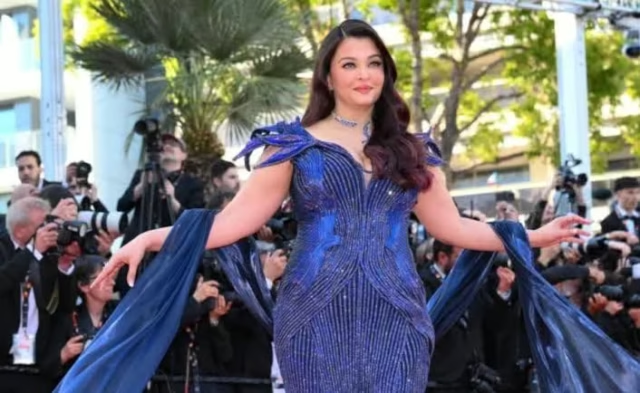 Aishwarya Rai Bachchan and Katrina Kaif Lead India’s Cruelty-Free Luxury Revolution at the PETA India 2026 Vegan Fashion Awards
 Avengers: Doomsday Shatters Records as India Advance Bookings Cross ₹50 Crore Ahead of Release
 Salman Khan Confirms Dabangg 4, Rules Out Bajrangi Bhaijaan 2, and Apologizes to Shraddha Kapoor Over Maatrubhumi–Eetha Clash
 Dia Mirza Indian Actress, Film Producer, Former Beauty Queen & Global Environmental Advocate
Hover to fan the frames
Your take
Was this worth your time?
0 reactions