
On this page
- Table of Contents
- Cardiac Risks in Sports
- What Is Commotio Cordis? A Hidden Threat in Sports
- Lessons from High-Profile Commotio Cordis Cases
- Immediate Actions for Cardiac Risks in Sports
- Preventive Measures for Commotio Cordis and Cardiac Risks
- FAQ: Commotio Cordis and Cardiac Risks in Sports
- Staying Vigilant: Protecting Athletes from Cardiac Risks
In this story
- Table of Contents
- Cardiac Risks in Sports
- What Is Commotio Cordis? A Hidden Threat in Sports
- Lessons from High-Profile Commotio Cordis Cases
- Immediate Actions for Cardiac Risks in Sports
Table of Contents
Cardiac Risks in Sports
In the high-stakes world of contact sports like football, lacrosse, or hockey, a rare but life-threatening condition called commotio cordis can strike without warning, triggered by a blunt blow to the chest. Often confused with cardiac arrest and heart attack, commotio cordis is a distinct and sudden cardiac event that disrupts the heart’s rhythm, leading to cardiac arrest—a condition where the heart stops pumping blood, causing collapse and loss of pulse or breath. Unlike a heart attack, which results from blocked blood flow to the heart muscle (often due to plaque buildup), cardiac arrest from commotio cordis is caused by an electrical malfunction from trauma, not a blockage. High-profile cases, like NFL player Damar Hamlin’s collapse in January 2023, have fueled discussions on X about cardiac risks in sports, emphasizing the need for awareness and preparedness. Below, we explore commotio cordis, its prevention, immediate actions for cardiac risks, and answers to common questions to keep athletes safe.
What Is Commotio Cordis? A Hidden Threat in Sports
Commotio cordis, meaning “agitation of the heart” in Latin, occurs when a blunt, non-penetrating chest impact disrupts the heart’s electrical cycle, triggering ventricular fibrillation—a chaotic rhythm causing cardiac arrest. This leads to immediate collapse, often without a pulse or breath. It’s rare, with fewer than 30 cases annually in the U.S., but it’s the third leading cause of sudden cardiac death in young athletes, especially males aged 10-18. The risk stems from:
- Location: The blow must hit directly over or near the heart.
- Timing: It strikes during a 20-millisecond window at the T-wave’s start, when the heart is electrically vulnerable.
- Force: Impacts at 30-50 mph, from baseballs, hockey pucks, or even bodily contact, can trigger it.
Sports like baseball, lacrosse, hockey, and football are high-risk due to their physical nature, but cases have occurred in soccer or basketball. X discussions highlight shock at how minor-seeming hits, like an elbow in a youth game, can lead to cardiac arrest, underscoring the need for vigilance.
Lessons from High-Profile Commotio Cordis Cases
Recent cases have spotlighted commotio cordis and cardiac risks in sports, showing its unpredictability and the need for rapid response:
- Damar Hamlin (January 2023): The NFL player’s cardiac arrest after a chest tackle was diagnosed as commotio cordis. Immediate CPR and AED use saved his life, sparking global talks on sports safety.
- Louis Acompora (March 2000): A 14-year-old lacrosse goalie died after a shot hit his chest, despite a protector. His case led to the Louis J. Acompora Foundation, pushing for better chest gear and AED access.
- Romanian Basketball Player (2023): An 18-year-old survived cardiac arrest after an elbow to the chest, thanks to quick CPR and defibrillation, highlighting risks in “non-contact” sports.
These incidents, widely discussed on X, show young males with flexible chest walls are most vulnerable, and survival depends on swift action to address cardiac arrest.
Immediate Actions for Cardiac Risks in Sports
If an athlete collapses from a suspected commotio cordis or cardiac arrest, every second counts. Survival rates drop 10% per minute without intervention. Here’s what to do immediately:
- Check Responsiveness: Gently shake the athlete and call their name. If no response, assume cardiac arrest.
- Call for Help: Shout for someone to call 911 and retrieve an AED. If alone, call 911 first and put the phone on speaker.
- Start CPR: Begin hands-only CPR—push hard and fast (100-120 compressions per minute, about the beat of “Stayin’ Alive”) on the center of the chest, 2-2.4 inches deep. Continue until help arrives or the athlete responds.
- Use an AED: If available, turn on the AED, follow voice prompts, and apply pads to the bare chest. Deliver a shock if advised. Resume CPR immediately after.
- Stay Calm but Act Fast: Assign roles (e.g., one person calls 911, another gets the AED) to avoid chaos.
X users stress that AEDs and CPR training are game-changers, with stories of coaches saving lives by acting within 1-3 minutes. Ensure your team’s emergency action plan (EAP) includes these steps.
Preventive Measures for Commotio Cordis and Cardiac Risks
While commotio cordis can’t be fully prevented, these steps reduce risk and improve outcomes:
Enhanced Chest Protection
- Advanced Gear: Use NOCSAE ND200-standard chest protectors (mandatory in lacrosse since 2021-2022). Unequal’s HART pads, FDA-approved for commotio cordis protection, reduce impact force (per a 2016 Tufts study). They’re lightweight for baseball, lacrosse, and hockey.
- Proper Fit: Ensure protectors cover the heart and stay in place during movement. In hockey, check for gaps during arm raises.
- Safety Balls: Use softer, age-appropriate balls in youth baseball/softball to lower impact force.
Training and Technique
- Defensive Skills: Teach athletes to block with shoulders, not chests, in baseball, lacrosse, or hockey. Footballers should use shoulder-led tackles to avoid chest impacts.
- Safety Awareness: Educate players on commotio cordis signs—sudden collapse or no pulse—and the need for instant action. American Heart Association CPR courses are a great start.
- Coaching Focus: X posts highlight youth coaches overlooking safe tackling, increasing cardiac risks. Regular drills on proper form are essential.
Emergency Preparedness
- AED Availability: Ensure AEDs are at every game and practice. Hamlin’s survival hinged on an AED used within minutes. Schools should invest in portable units.
- CPR Training: Coaches, parents, and players should learn hands-only CPR. Survival odds soar with CPR within 1-3 minutes.
- Emergency Action Plans (EAPs): Every team needs an EAP, detailing who calls 911, retrieves the AED, and starts CPR. X discussions note many youth leagues lack EAPs.
FAQ: Commotio Cordis and Cardiac Risks in Sports
Q: How is commotio cordis different from a heart attack?
A: Commotio cordis causes cardiac arrest via an electrical disruption from a chest blow, leading to sudden collapse. A heart attack occurs from blocked blood flow, often with warning signs like chest pain. Commotio cordis is trauma-induced, while heart attacks are not.
Q: Which sports are most at risk for commotio cordis?
A: Contact sports like baseball, lacrosse, hockey, and football are highest-risk due to chest impacts. Non-contact sports like basketball or soccer can also pose risks from accidental collisions.
Q: Can chest protectors fully prevent commotio cordis?
A: No, but NOCSAE-standard protectors and HART pads reduce risk significantly. Proper fit and sport-specific design are critical.
Q: How common is commotio cordis?
A: It’s rare, with fewer than 30 U.S. cases yearly, but it’s a leading cause of sudden cardiac death in young athletes.
Q: What should I do if I suspect cardiac arrest?
A: Immediately check responsiveness, call 911, start hands-only CPR, and use an AED if available. Act within 1-3 minutes for the best survival odds.
Q: Are AEDs required at youth sports events?
A: Requirements vary by state and league. Advocate for AEDs and CPR training at your child’s events to enhance safety.
Staying Vigilant: Protecting Athletes from Cardiac Risks
Commotio cordis and cardiac arrest are rare but devastating, demanding proactive steps from the sports community. Coaches must drill safe techniques, ensure proper gear, and prepare for emergencies with AEDs and EAPs. Athletes should learn to protect their chests and recognize collapse as a red flag. Parents can push for sports safety measures, joining X conversations calling for better training and equipment access. The joy of sports—teamwork, fitness, and triumph—shouldn’t come with fear. Know your field’s AED location, consider CPR training, and advocate for cardiac safety. Together, we can keep athletes safe and let them chase their goals without risking their hearts.
For More Information – QuestQuip
In frames · the Sports Injury desk
 Cardiac Risks in Sports: Understanding Commotio Cordis, Cardiac Arrest, and Heart Attack
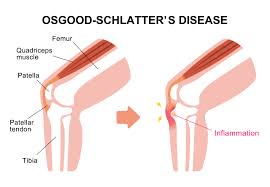 Osgood-Schlatter Disease in Teenage Athletes: Knee Growth Plate Pain and Activity Management Guide
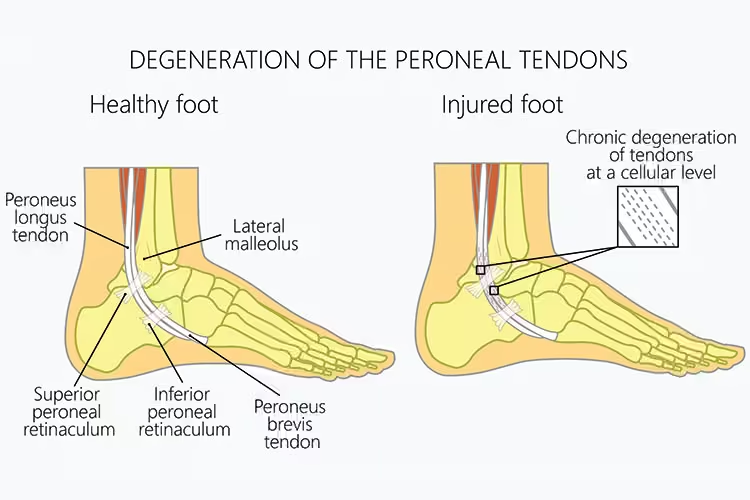 Peroneal Tendonitis vs. Peroneal Tear: How Runners Can Tell the Difference
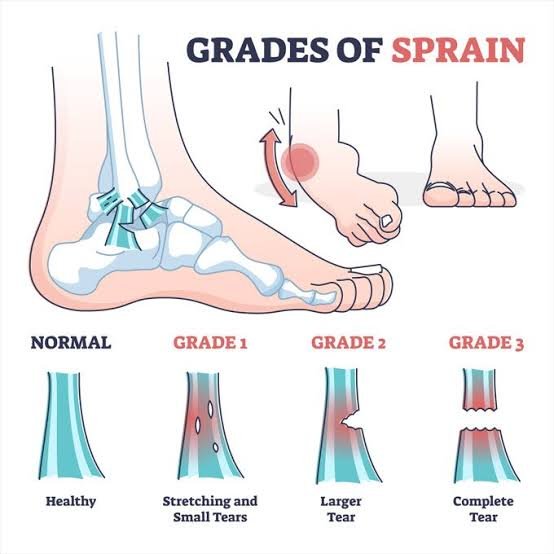 The First 48 Hours After Ankle Sprain: What Pro Athletes Do That You’re Not Doing
Hover to fan the frames
Your take
Was this worth your time?
0 reactions