On this page
- Table of Contents
- What Is Grid Modernization Engineering?
- What Is Grid Modernization Engineering?
- Why the Grid Needs Modernization
- The Core Technologies of Smart Electricity Networks
- Key Challenges Engineers Solve
- Degrees That Lead Into Grid Modernization Engineering
- Skills You Will Build
- Top National Colleges for Grid Modernization Engineering in India
- Top International Colleges for Grid Modernization Engineering
- Cost and Duration Comparison Table
- Career Opportunities in Grid Modernization
- How to Choose the Right Program
- Admission Requirements and Scholarships
- Trends Shaping the Future of Smart Electricity Networks
- Frequently Asked Questions
- Your Next Move in Grid Modernization Engineering
In this story
- Table of Contents
- What Is Grid Modernization Engineering?
- What Is Grid Modernization Engineering?
- Why the Grid Needs Modernization
- The Core Technologies of Smart Electricity Networks
Table of Contents
What Is Grid Modernization Engineering?
Flip a switch and the light comes on. That tiny act hides one of the largest machines humans have ever built. Power stations, transmission lines, transformers and local cables work together every second to match supply with demand. For a century, this machine moved electricity in one direction, from big plants to quiet homes. Today that picture is changing fast.
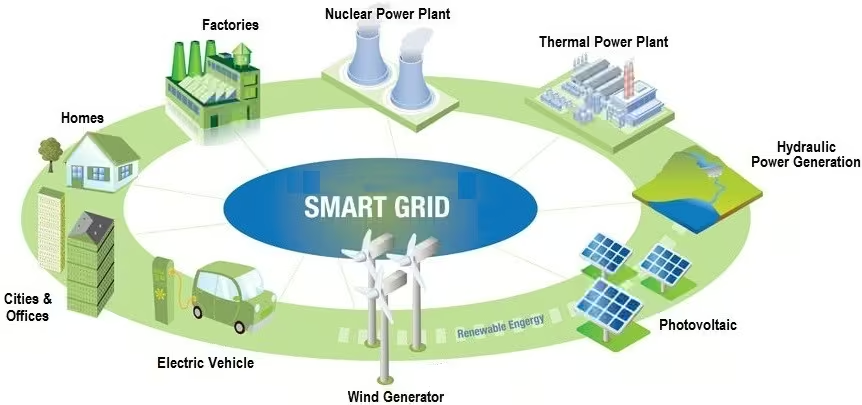
Rooftop solar panels push power back into the network. Electric vehicles draw large loads at odd hours. Wind farms rise and fall with the weather, and batteries store energy for later. The old grid was never built for this world. Grid modernization engineers are the people who upgrade it. This guide explains what grid modernization engineering is, which degrees prepare you for it, and which colleges in India and abroad offer the best routes. You will also find a cost and duration comparison table and a detailed FAQ.
What Is Grid Modernization Engineering?
Grid modernization engineering is the practice of upgrading electricity networks with digital technology, advanced hardware and smarter control. The goal is to make power systems more reliable, efficient, flexible and clean. Engineers in this field redesign how electricity is generated, moved, monitored and used.
The field is often called smart grid engineering, but the scope is broader. Modernization covers new sensors and meters, automated switches, energy storage, power electronics, communication networks and software platforms. It also includes planning methods that let the grid welcome renewable energy without losing stability.
Think of it as giving the grid a nervous system and a brain. Sensors act as nerves that report conditions in real time. Control software acts as the brain that decides what to do. Meanwhile, modern equipment forms the muscles that carry out those decisions. Because this work blends electrical engineering with data and communication, it attracts students with varied talents.
Why the Grid Needs Modernization
Several pressures push utilities to upgrade their networks. The first is the rapid growth of renewable energy. Solar and wind plants produce power only when the sun shines and the wind blows. As a result, operators must balance a supply that changes minute by minute.
The second pressure is rising demand. Cities grow, air conditioners multiply, and electric vehicles join the roads. Peak loads climb, and old wires and transformers struggle to keep up. Utilities cannot simply build more of the same equipment, because it costs too much and takes too long.
The third pressure is reliability. Storms, heatwaves and equipment faults cause outages that hurt homes, hospitals and factories. A modern grid detects faults quickly, isolates the damaged section and restores power to others within seconds. Customers notice fewer and shorter interruptions.
Finally, climate goals add urgency. Countries have set ambitious targets for clean energy. India, for example, aims to build a very large share of its capacity from non-fossil sources by 2030. Reaching such goals is impossible without a grid that can absorb variable power safely.
The Core Technologies of Smart Electricity Networks
Grid modernization rests on several connected technologies. Understanding them helps you see where careers appear.
Smart Meters and Advanced Metering
Smart meters record energy use at short intervals and send the data to the utility automatically. They replace manual reading and allow time-based pricing. Customers can see their usage and adjust habits, while utilities gain a clear view of demand. Many countries, including India, are rolling out millions of smart meters under national programs.
Distribution Automation
Distribution automation places sensors and remote-controlled switches along local feeders. When a fault occurs, the system finds it and reroutes power automatically. This self-healing behaviour cuts outage times sharply. Engineers design the schemes, set the protection rules and test them carefully.
Wide-Area Monitoring
Phasor measurement units capture precise voltage and current readings across the transmission network many times per second. Operators see the health of the whole grid almost instantly. Therefore, they can spot oscillations or stress before a blackout begins.
Distributed Energy Resources and Microgrids
Distributed energy resources include rooftop solar, small wind turbines, batteries and flexible loads. A microgrid groups these resources with local demand and can run alone if the main grid fails. Hospitals, campuses and remote villages use microgrids for resilience. Engineers must design controls that keep voltage and frequency stable in these small systems.
Energy Storage
Batteries and other storage systems smooth out the ups and downs of renewable power. They store extra energy during sunny hours and release it in the evening. Grid-scale batteries also provide fast frequency support. Storage engineering mixes electrochemistry, power electronics and market analysis.
Power Electronics and High-Voltage Direct Current
Inverters, converters and flexible transmission devices shape how power flows. High-voltage direct current links move large amounts of electricity over long distances with low loss. Modern inverters can even help stabilise the grid by mimicking the behaviour of traditional generators. This area grows quickly, and skilled engineers remain scarce.
Communication and Cybersecurity
Every smart device needs a secure network. Utilities use standards such as IEC 61850 and DNP3 to link equipment from many vendors. Because attackers target critical infrastructure, cybersecurity has become a core skill. Engineers must protect meters, controllers and control centres from intrusion.
Digital Twins, Data and Artificial Intelligence
Utilities now collect enormous amounts of data. Analysts use it to forecast demand, predict equipment failures and plan investments. Digital twins let engineers test changes on a virtual grid before touching the real one. Artificial intelligence supports faster, better decisions in control rooms.
Key Challenges Engineers Solve
Modernization is not easy. Engineers face several tough problems every day. Variable renewable power makes balancing harder, so they must forecast generation accurately and plan reserves. Two-way power flow confuses traditional protection schemes, which were designed for one-way flow. Engineers redesign these schemes so that faults still clear safely.
Low inertia is another concern. Traditional generators hold spinning mass that resists sudden frequency changes. Solar panels and batteries have no such mass. Therefore, engineers develop grid-forming inverters and fast-acting controls to replace that stability.
Cost and regulation add more complexity. Utilities must justify investments to regulators and customers. Engineers often work with economists and policy teams to design pricing and incentive schemes. Because the grid serves everyone, safety and fairness come first.
Degrees That Lead Into Grid Modernization Engineering
Several academic paths lead to this field. The right one depends on your background and interests.
Undergraduate Programs
Most grid engineers begin with a bachelor’s degree in electrical engineering or electrical and electronics engineering. Some universities offer degrees in power engineering, energy engineering or sustainable energy systems. Programs last four years in India and three to four years in many other countries.
Core subjects include circuit theory, electrical machines, power systems, power electronics, control systems and digital electronics. Electives such as renewable energy, smart grids, protection and energy storage build your specialist knowledge. Internships with utilities or energy firms add valuable real-world insight.
Postgraduate Programs
A master’s degree is the main route to specialist roles. Popular titles include MTech in Power Systems, MTech in Power Electronics, MTech in Smart Grid and MSc in Sustainable Energy Systems. Programs last one to two years and usually include a thesis. Employers often prefer master’s graduates for planning, protection and control design.
Doctoral Programs
A PhD takes three to five years and prepares you for research and leadership roles. Topics include grid-forming inverters, stability with high renewable penetration, microgrid control, cyber-resilient grids and energy market design. Many universities fund doctoral students through research assistantships or fellowships.
Short Courses and Professional Training
Utilities and training institutes run short courses on protection, SCADA, smart metering and renewable integration. In India, the National Power Training Institute offers such programs for working professionals. These courses help engineers refresh their skills, although they rarely replace a full degree for design roles.
Skills You Will Build
Grid engineers develop a mix of analytical and practical skills. Technical skills include power flow analysis, fault analysis, protection design and stability studies. You will learn simulation tools such as PowerFactory, PSS/E, ETAP, OpenDSS and MATLAB. Programming in Python helps with data analysis and automation.
Communication protocols and cybersecurity knowledge add extra value. Understanding standards such as IEC 61850 helps you work with real equipment. Basic knowledge of machine learning also helps you handle large datasets.
Soft skills matter equally. Power systems affect millions of people, so careful, honest engineering is vital. You will coordinate with operators, regulators, planners and field crews. Clear writing and calm communication help you explain complex studies to non-experts.
Top National Colleges for Grid Modernization Engineering in India
India has many strong institutions, and several run focused programs in power systems, energy and smart grids.
IIT Bombay offers respected programs in electrical power systems and in energy science and engineering. Its research covers renewable integration, power electronics and smart grid technologies, and its alumni lead in industry and academia.
IIT Kanpur has a long record in power systems and power electronics. Its laboratories support work on protection, microgrids and grid stability, and the institute works actively with utilities.
IIT Roorkee runs strong programs in power systems and in hydro and renewable energy. Its history in electrical engineering makes it a natural choice for students who want deep grounding in power.
The Indian Institute of Science in Bangalore offers research-driven programs in electrical engineering and energy research. It suits students who want theory and a clear path toward a PhD.
IIT Delhi provides programs in power and automation as well as energy studies. Its interdisciplinary approach helps students link technology with policy and economics.
Because competition is intense, plan early. Prepare for JEE for undergraduate entry and GATE for postgraduate entry. Meanwhile, build a small project, such as a solar charge controller or a simple home energy monitor, to strengthen your profile.
Top International Colleges for Grid Modernization Engineering
Studying abroad gives you access to advanced laboratories and global employers. Several universities lead in power and energy systems.
The University of Strathclyde in Scotland has a famous power and energy research group. Its programs link closely with utilities and offer strong exposure to renewable integration and smart grids.
Technical University of Denmark offers outstanding programs in sustainable energy. Denmark’s high share of wind power makes it a real-world classroom for grid integration.
KTH Royal Institute of Technology in Sweden runs a well-regarded program in electric power engineering. Its research covers power electronics, HVDC and grid stability, and Sweden’s energy sector offers strong job links.
RWTH Aachen University in Germany is known for electrical power engineering and energy systems. Germany’s Energiewende, the large shift toward renewable power, provides rich research topics.
Georgia Institute of Technology in the United States offers strong electrical and computer engineering programs with power and energy research. Its work in grid control and cybersecurity attracts students worldwide.
The University of New South Wales in Australia provides advanced electrical engineering programs with an energy focus. Australia’s fast growth in rooftop solar makes it an exciting place to study modern grids.
Cost and Duration Comparison Table
The table below gives approximate figures to help your planning. Fees change every year, and exchange rates move often. Therefore, treat these values as estimates and confirm the latest details on each official website before you apply.
| Institution | Country | Typical Program | Duration | Approximate Annual Tuition | Key Strength |
|---|---|---|---|---|---|
| IIT Bombay | India | MTech in Power Systems or Energy, PhD | 2 to 5 years | Roughly INR 50,000 to 2,50,000 | Renewable integration |
| IIT Kanpur | India | MTech, PhD in Power Systems | 2 to 5 years | Roughly INR 50,000 to 2,50,000 | Protection and microgrids |
| IIT Roorkee | India | MTech, PhD in Power Systems or Renewable Energy | 2 to 5 years | Roughly INR 50,000 to 2,50,000 | Power engineering heritage |
| IISc Bangalore | India | MTech, PhD in Electrical Engineering | 2 to 5 years | Roughly INR 40,000 to 1,00,000 | Research depth |
| IIT Delhi | India | MTech, PhD in Power and Energy | 2 to 5 years | Roughly INR 50,000 to 2,50,000 | Energy and policy links |
| University of Strathclyde | United Kingdom | MSc in Energy Systems or Power Engineering | 1 year | Roughly GBP 24,000 to 29,000 | Utility partnerships |
| Technical University of Denmark | Denmark | MSc in Sustainable Energy | 2 years | Roughly EUR 15,000 to 20,000 | Wind power integration |
| KTH Royal Institute of Technology | Sweden | MSc in Electric Power Engineering | 2 years | Roughly EUR 13,000 to 16,000 | Power electronics and HVDC |
| RWTH Aachen University | Germany | MSc in Electrical Power Engineering | 2 years | Roughly EUR 3,000 to 4,000 plus fees | Energy transition research |
| Georgia Institute of Technology | United States | MS in Electrical and Computer Engineering | 1.5 to 2 years | Roughly USD 30,000 to 45,000 | Grid control and security |
| University of New South Wales | Australia | Master of Engineering in Electrical Engineering | 1.5 to 2 years | Roughly AUD 45,000 to 60,000 | Rooftop solar research |
Tuition tells only part of the story. Living costs in cities such as Sydney, Stockholm or Atlanta can add a large amount each year. Scholarships, research assistantships and teaching roles can reduce the burden. Meanwhile, Indian institutions charge far lower fees, although seats at top colleges remain highly competitive.
Duration also affects your plan. A one-year program saves time and money, but it moves quickly. A two-year program leaves room for internships and research. Choose the format that matches your goals and budget.
Career Opportunities in Grid Modernization
Graduates find work across the entire energy value chain. Power utilities and distribution companies hire engineers to plan networks, design protection schemes, run control rooms and roll out smart meters. Transmission operators recruit specialists in stability, HVDC and wide-area monitoring.
Renewable energy developers need grid engineers to connect solar and wind plants safely. Energy storage companies hire designers and analysts for battery projects. Equipment makers, such as transformer, inverter and switchgear firms, need engineers for product development and testing.
Technology companies also enter this space. They build software platforms for demand forecasting, outage management and energy trading. Consulting firms and research institutes offer roles in planning, policy and studies. Furthermore, electric vehicle charging companies need engineers who understand grid impacts.
Common job titles include power systems engineer, protection engineer, grid integration engineer, smart grid engineer, SCADA engineer, energy storage engineer and distribution planning engineer. Salaries vary by country, employer and experience. Entry-level pay often starts moderately, but specialists in power electronics and grid stability can earn very well. Because utilities face a large wave of retirements, demand for new talent keeps rising.
How to Choose the Right Program
Start by deciding which part of the grid excites you most. If you like hardware and converters, choose programs strong in power electronics. If you enjoy analysis and planning, look for power systems and optimisation courses. If data and software attract you, find programs with smart grid analytics and cybersecurity modules.
Next, examine the laboratories. Good programs own real-time simulators, protection relay labs, microgrid test beds and renewable energy equipment. Ask whether students can use them for projects. Also review the faculty, because active researchers bring current knowledge and industry connections.
Industry ties deserve close attention too. Programs that partner with utilities, grid operators and equipment makers often offer internships and thesis projects. Finally, compare total cost, visa rules and post-study work options. A costlier program may repay itself through better job outcomes.
Admission Requirements and Scholarships
Undergraduate programs usually ask for strong results in physics, chemistry and mathematics. Indian applicants typically sit entrance tests such as JEE Main and JEE Advanced. International universities often request school-leaving results and proof of English skill through IELTS or TOEFL.
Master’s programs expect a relevant bachelor’s degree, a statement of purpose and academic references. Some universities request GRE scores, although many have dropped this rule. Indian students aiming for MTech at top institutions usually need a good GATE score. Internships and project work also strengthen your application.
Scholarships exist in many forms. Universities offer merit awards, and governments fund programs for international students. Research groups often hire graduate assistants who receive a stipend and tuition support. Start your search at least a year before enrolment, because deadlines arrive early.
Trends Shaping the Future of Smart Electricity Networks
Several trends will define the coming decade. Grid-forming inverters will let renewable plants help stabilise the network instead of only following it. Vehicle-to-grid technology will turn parked electric vehicles into flexible storage that supports the grid at peak times.
Artificial intelligence will improve forecasting and fault detection. Digital twins will help utilities test upgrades virtually before spending money. Meanwhile, peer-to-peer energy trading may let neighbours sell solar power to each other through secure platforms.
Resilience will gain importance as extreme weather grows more common. Microgrids and storage will protect critical services. Cybersecurity will become even more central, because attackers will keep targeting energy systems. Engineers who combine power knowledge with digital skills will lead this transformation.
Frequently Asked Questions
What is grid modernization engineering in simple words?
Grid modernization engineering upgrades electricity networks with sensors, automation and clean energy technology. The aim is a grid that is more reliable, efficient and ready for renewable power. Engineers design, test and operate these improvements.
How is a smart grid different from a traditional grid?
A traditional grid sends power one way and offers limited real-time information. A smart grid uses sensors, communication and automation to monitor and control power flow in both directions. It reacts faster and handles renewable energy better.
Which degree is best for grid modernization?
Electrical engineering is the most common starting point. A master’s degree in power systems, power electronics or smart grid then builds specialist skill. Energy engineering and sustainable energy degrees also work well.
Do I need programming skills?
Yes, programming helps a great deal. Engineers use MATLAB and Python for analysis and automation. Some roles also use specialised simulation software. You can start with simple scripts and build your skills over time.
How long does it take to become a grid engineer?
A bachelor’s degree takes three to four years. Many graduates start work right away, and others add a one or two year master’s degree. Research and specialist roles often need a master’s or PhD.
Are there good grid engineering jobs in India?
Yes, the outlook is strong. Distribution companies, transmission operators, renewable developers, equipment makers and technology firms all hire grid talent. Government programs for smart metering and renewable integration create additional demand.
Can mechanical or computer science students enter this field?
Yes, with the right preparation. Computer science students can focus on grid software, analytics and cybersecurity. Mechanical students can explore energy storage and thermal systems. A master’s degree in power or energy systems helps bridge the gap.
Is grid modernization a good career for the future?
Yes, the field looks very promising. Every country needs cleaner and more reliable electricity, and the grid sits at the centre of that goal. Engineers who keep learning will find strong opportunities for decades.
Your Next Move in Grid Modernization Engineering
The electricity grid is changing from a one-way delivery system into a living, connected network. Engineers who understand power, data and clean energy will shape that change. Their work keeps homes lit, factories running and the climate safer.
Take one practical step this week. Decide which part of the grid excites you, shortlist three programs and compare their fees, labs and industry links. Then build a small project, such as a solar monitoring dashboard or a simple battery charger. That project will sharpen your skills and strengthen your application. The grid of tomorrow needs builders, and you could be one of them.
In frames · the Education & Careers desk
 What Is Grid Modernization Engineering? Degrees for the Future of Smart Electricity Networks
 MS in Space Systems Engineering: Is It Suitable for Mechanical, Electrical and Aerospace Graduates?
 After BSc Physics, What Master’s Degree Can Lead to Careers in Quantum Technology and Semiconductor Research?
 MS in Space Systems Engineering: Is It Suitable for Mechanical, Electrical and Aerospace Graduates?
Hover to fan the frames
Your take
Was this worth your time?
0 reactions